

What is Complex PTSD?
Complex Post Traumatic Stress Disorder is a condition that is generally developed in childhood as a response to living in an abusive or very dysfunctional and neglectful environment. There are exceptional circumstances in which adults can develop Complex PTSD, but it is mostly seen in those whose trauma occurred in childhood.
Both PTSD and Complex PTSD involve the following symptoms;
- re-experiencing in the here and now
- avoidance
- sense of current threat
Complex PTSD also involves;
- affect dysregulation (this refers to a poor ability to manage emotional responses or to keep them within an acceptable range of typical emotional reactions)
- a negative self-concept
- disturbances in relationships
Examples of these symptoms are given in more detail throughout this article.
Complex PTSD can be described as a system of patterns of behaviour that developed to help a person to survive and be able to function. The good news is that all patterns of behaviour can be changed.
Judith Herman is a psychiatrist and author who first proposed Complex PTSD as a separate diagnosis from PTSD, she states:
“Observers who have never experienced prolonged terror, and who have no understanding of coercive methods of control, often presume that they would show greater psychological resistance than the victim in similar circumstances. The survivor’s difficulties are all too easily attributed to underlying character problems, even when the trauma is known. When the trauma is kept secret, as is frequently the case in sexual and domestic violence, the survivor’s symptoms and behavior may appear quite baffling, not only to lay people but also to mental health professionals. The clinical picture of a person who has been reduced to elemental concerns of survival is still frequently mistaken for a portrait of the survivor’s underlying character.”
What Causes Complex PTSD?
Complex PTSD is caused by chronic traumatisation over the course of months or years. The trauma can include various types of neglect and abuse. When children go through prolonged trauma the brain is still developing and it interrupts the natural course of their psychological and neurological development.
What are the Symptoms of Complex PTSD?
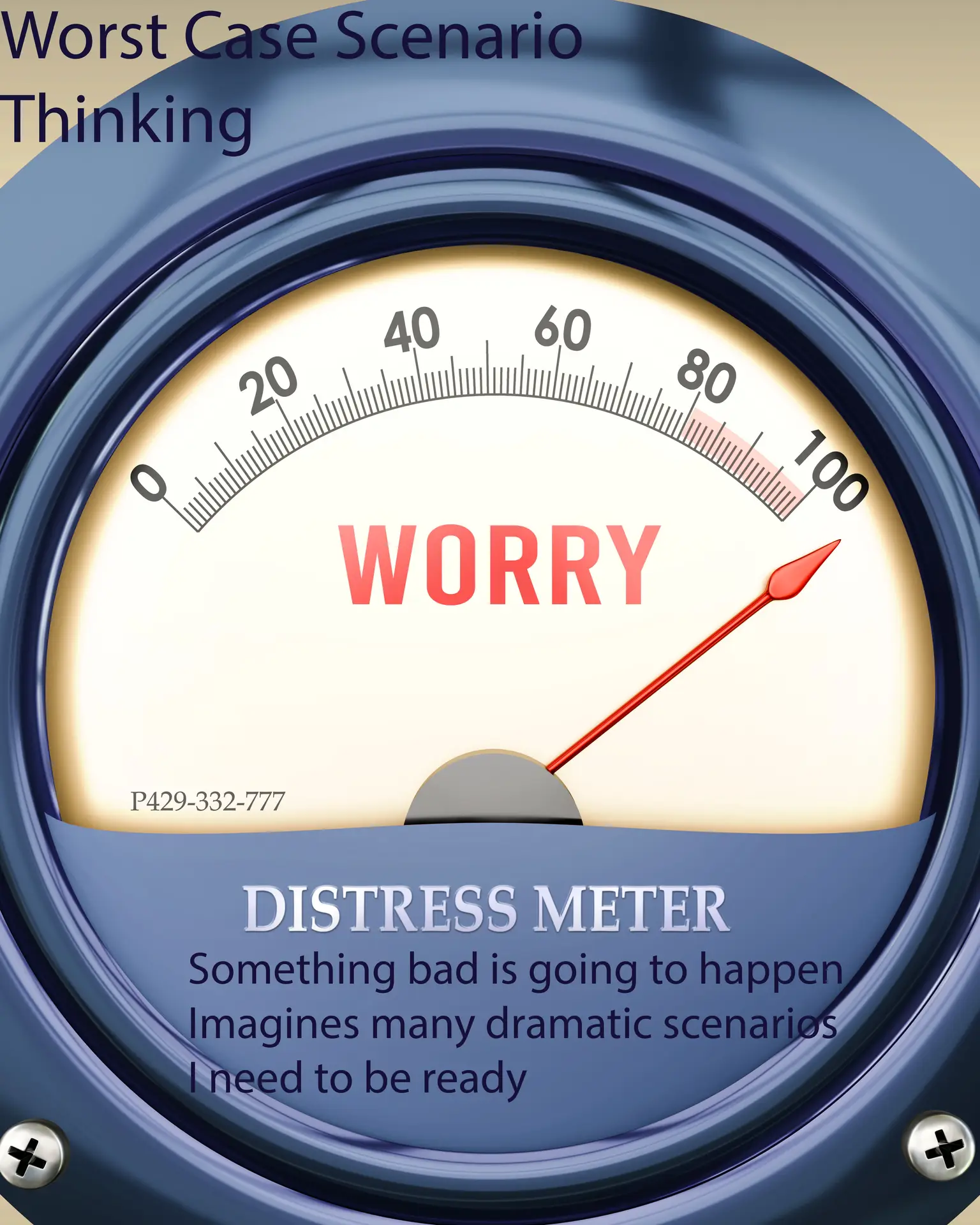
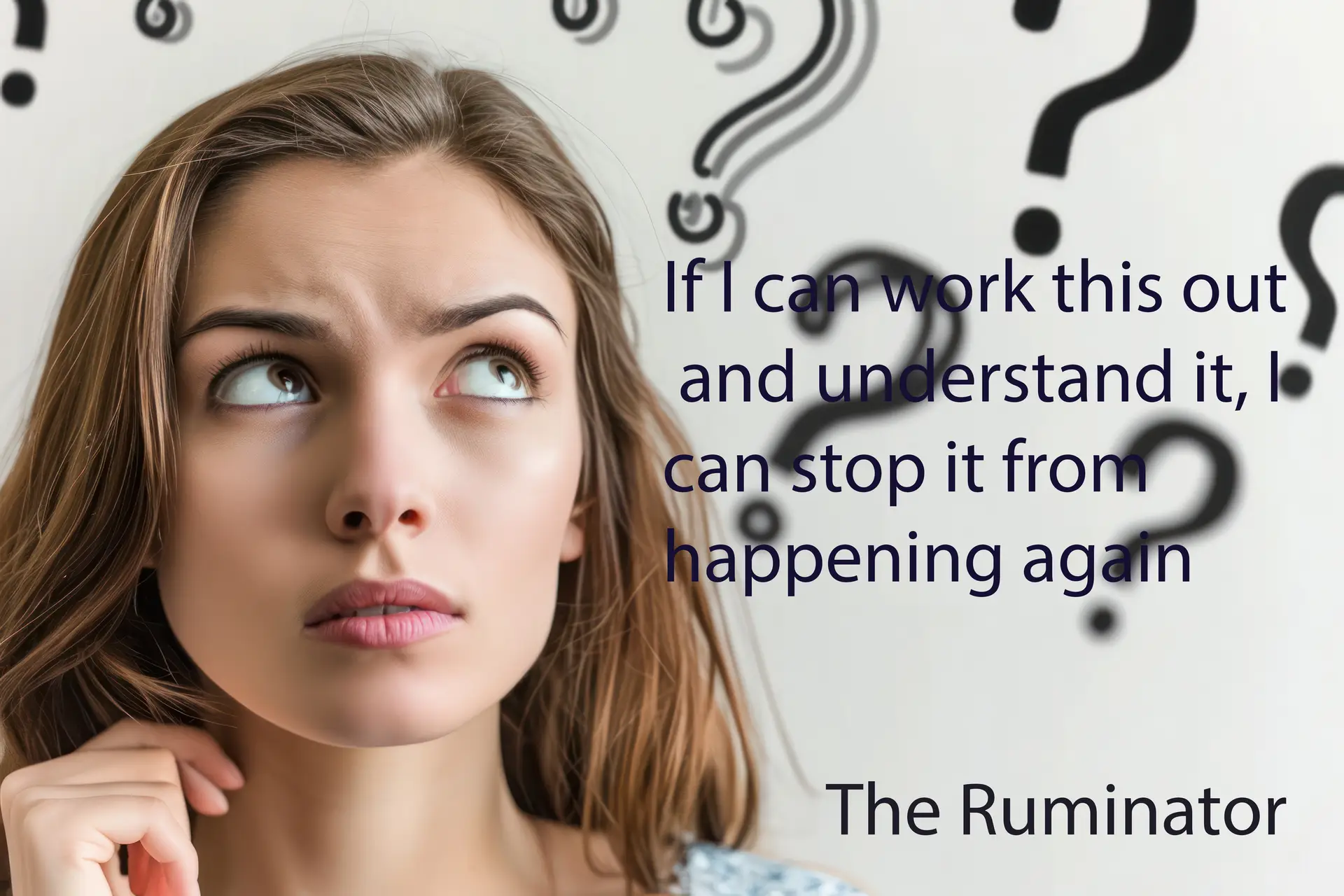
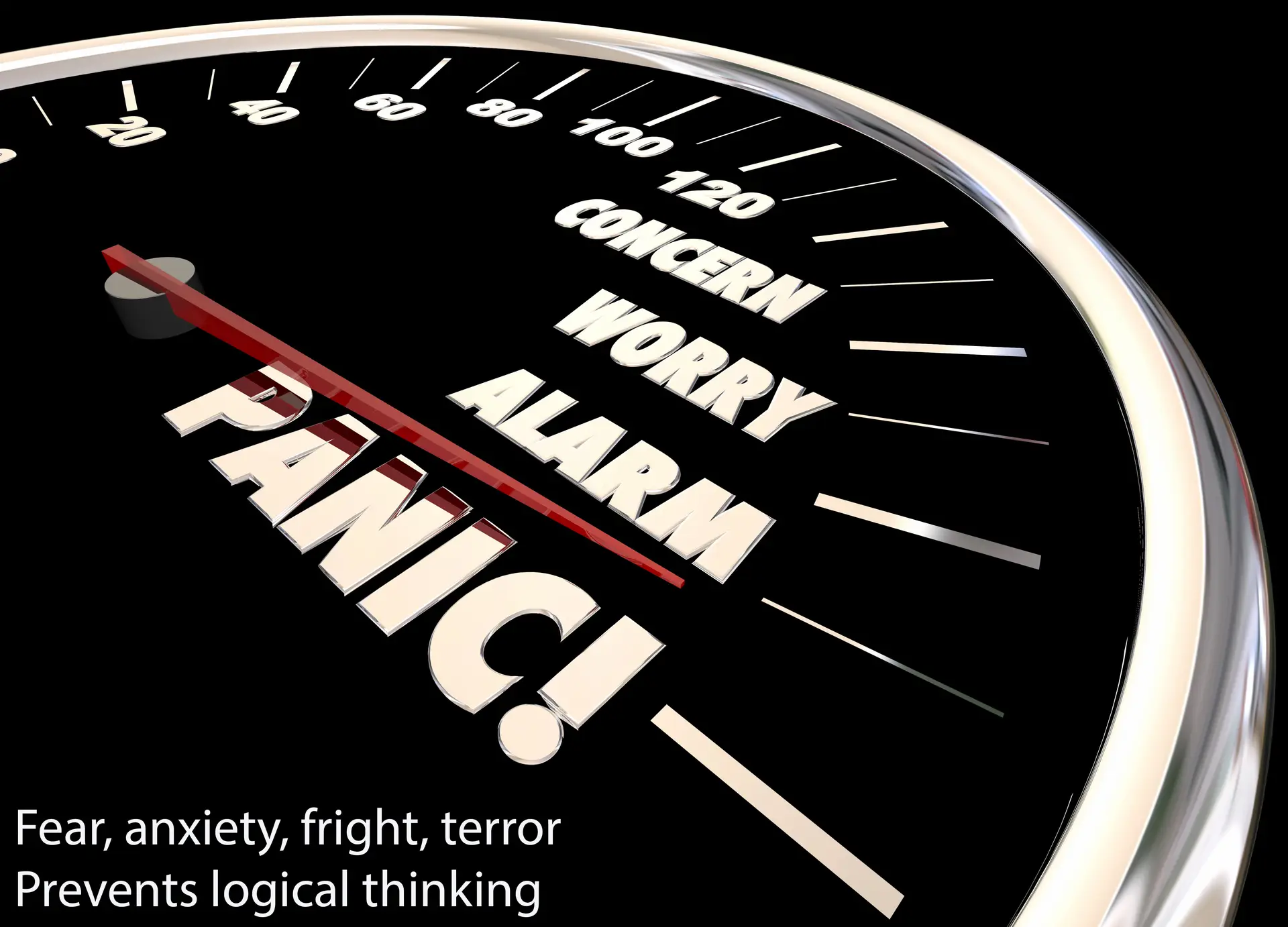
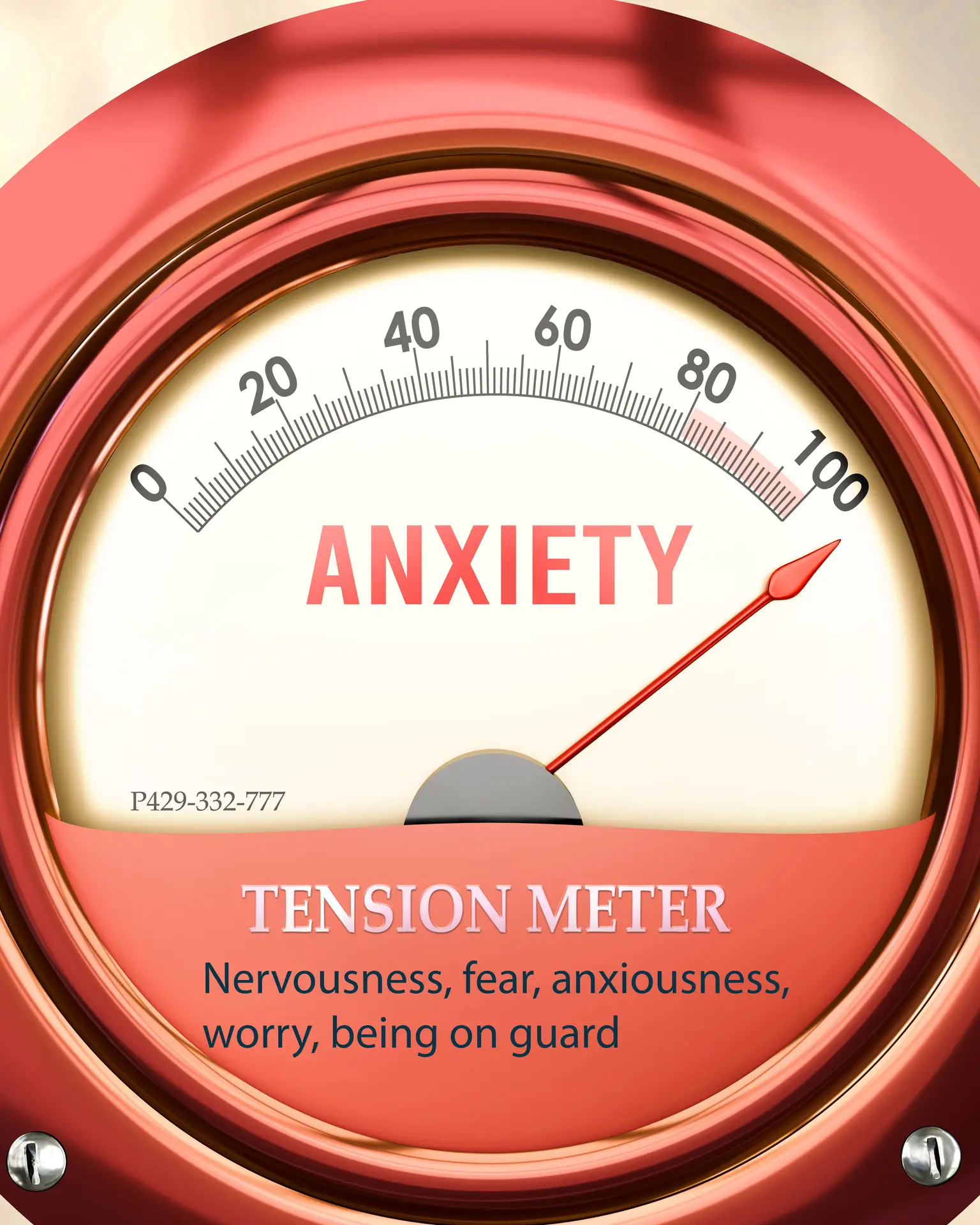
Symptoms of complex PTSD include hypervigilance, this is where the person is always on high alert both mentally and physically as they are constantly on the lookout for danger. This can be a subconscious process and show up as aching muscles, a clenched jaw, exhaustion. They may have a hyper awareness of sounds, facial expressions or the atmosphere in a room. They may have an exaggerated startle response or they may be triggered by people arguing or shouting and this will activate the nervous system into producing all the chemicals necessary in getting the body ready for a fight, flight, freeze or submit response. Complex PTSD means the person can feel easily overwhelmed and less resilient to life’s issues. They may worry extensively about what may happen, by ruminating, worrying and catastrophising and they may have nightmares and flashbacks to the trauma and they may frequently feel depressed or hopeless about the future. They can also be irritable and quick to anger and may have problems sleeping. Individuals with complex PTSD are vulnerable to physical symptoms that cannot be explained medically but are caused by their internal pain and stress. These somatic symptoms can include; neck and back pain, headaches, migraines and gastrointestinal problems including irritable bowel syndrome. They may develop fibromyalgia which involves muscle pain and fatigue and problems with sleep, memory and mood. Some people with complex PTSD are high functioning and may not think they have many of these symptoms as they are very disconnected from what is going on inside them, both emotionally and physically. They may be aware that something is wrong and that they should not, for example, be drinking so much or doom scrolling for hours or be so quick to shout at their children etc, but life may also seem under control in many ways.
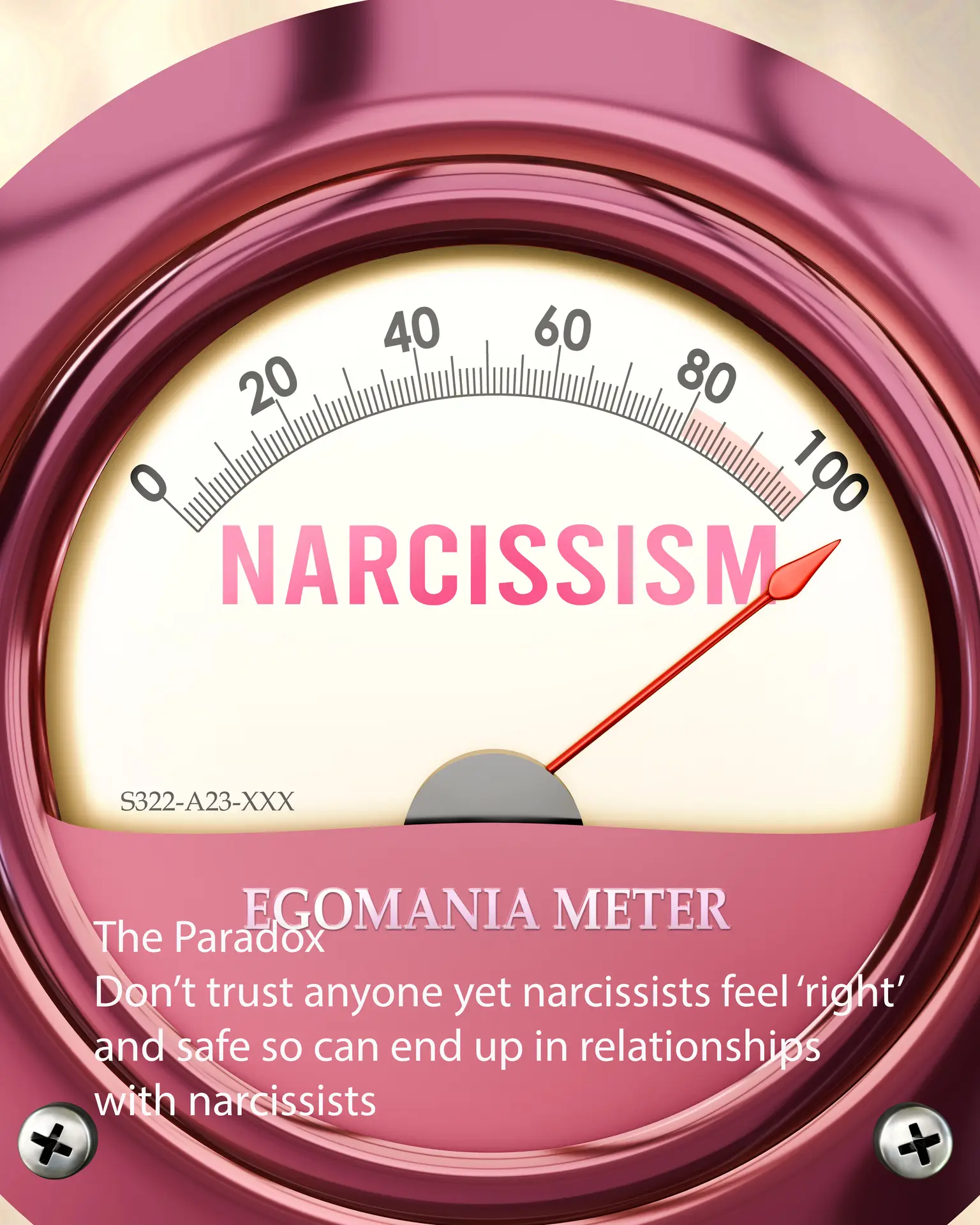
Many people with a narcissistic parent go on to marry a person with NPD and are not aware that they have done so. This is due to the many coping mechanisms people have developed. They are repeating the past and will do so until they come to understand what happened to them. Friendships can be hard to manage as trusting others is often difficult and the expectation of rejection and abandonment can be overwhelming.
People with Complex PTSD may have:
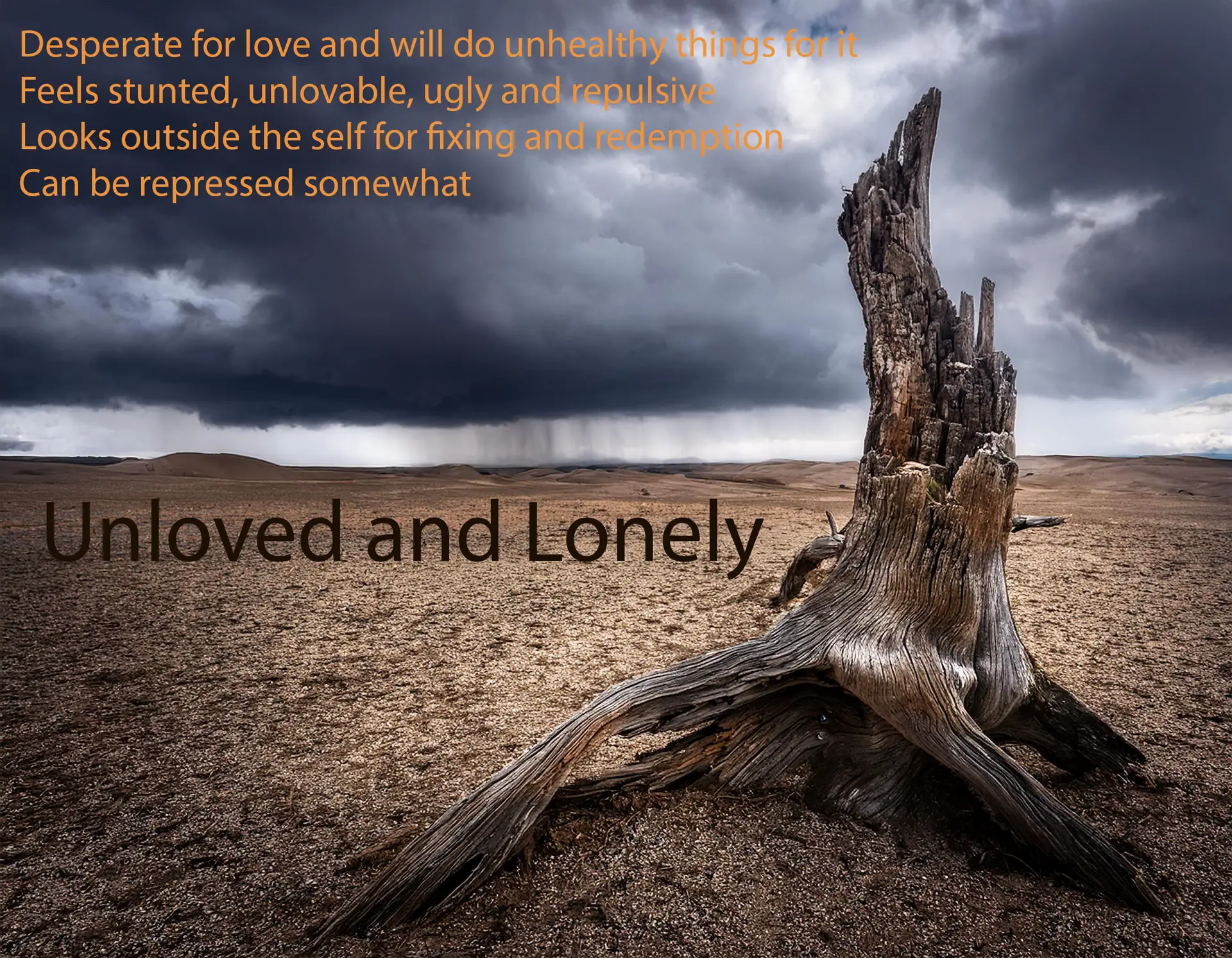
Feelings of Shame and Worthlessness
Nightmares
Little Memory of Childhood and Teenage Years
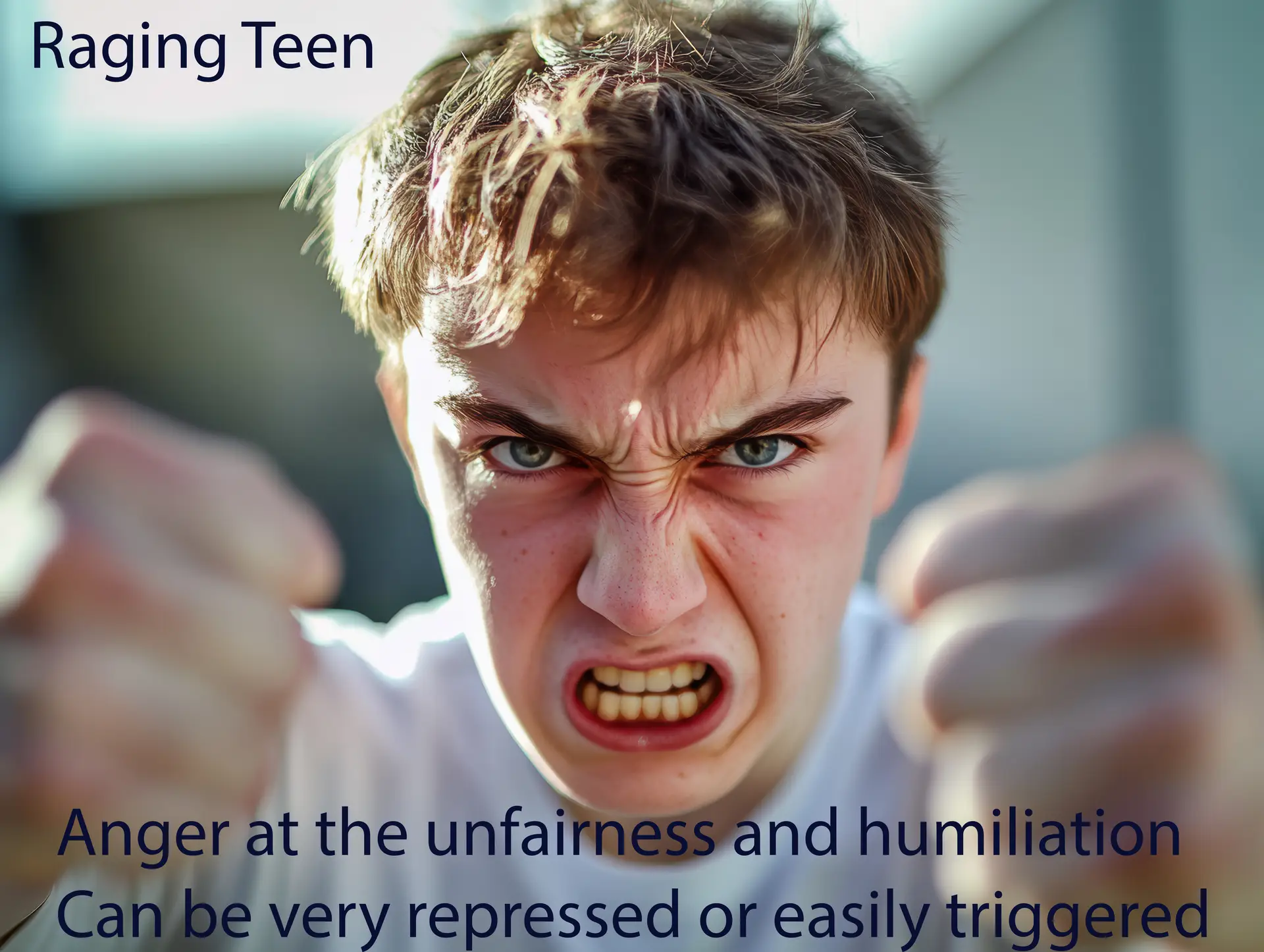
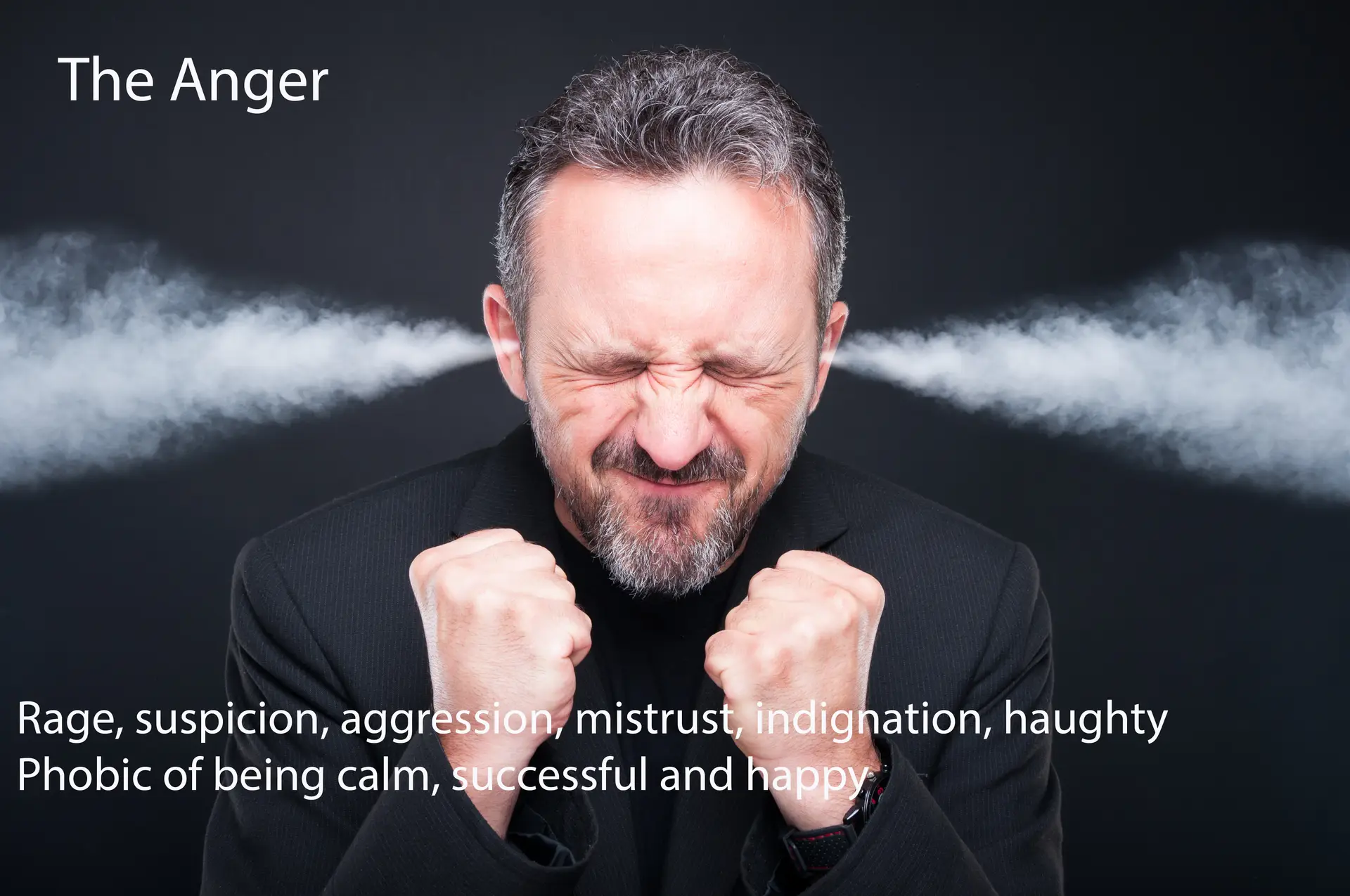
Irritability
Substance Abuse Issues
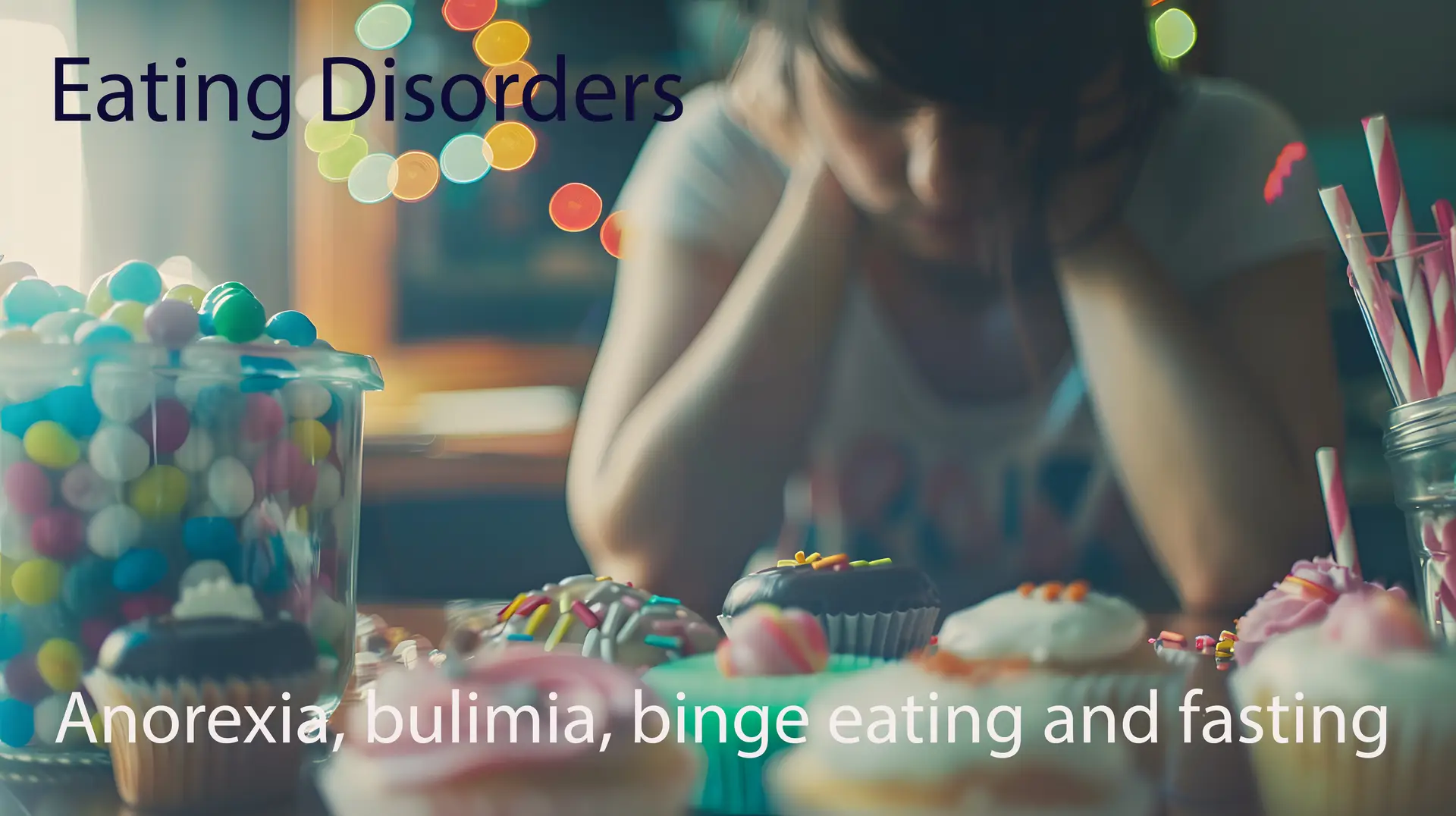
Eating Disorders
Self-Sabotaging Behaviours
Emotional Dysregulation
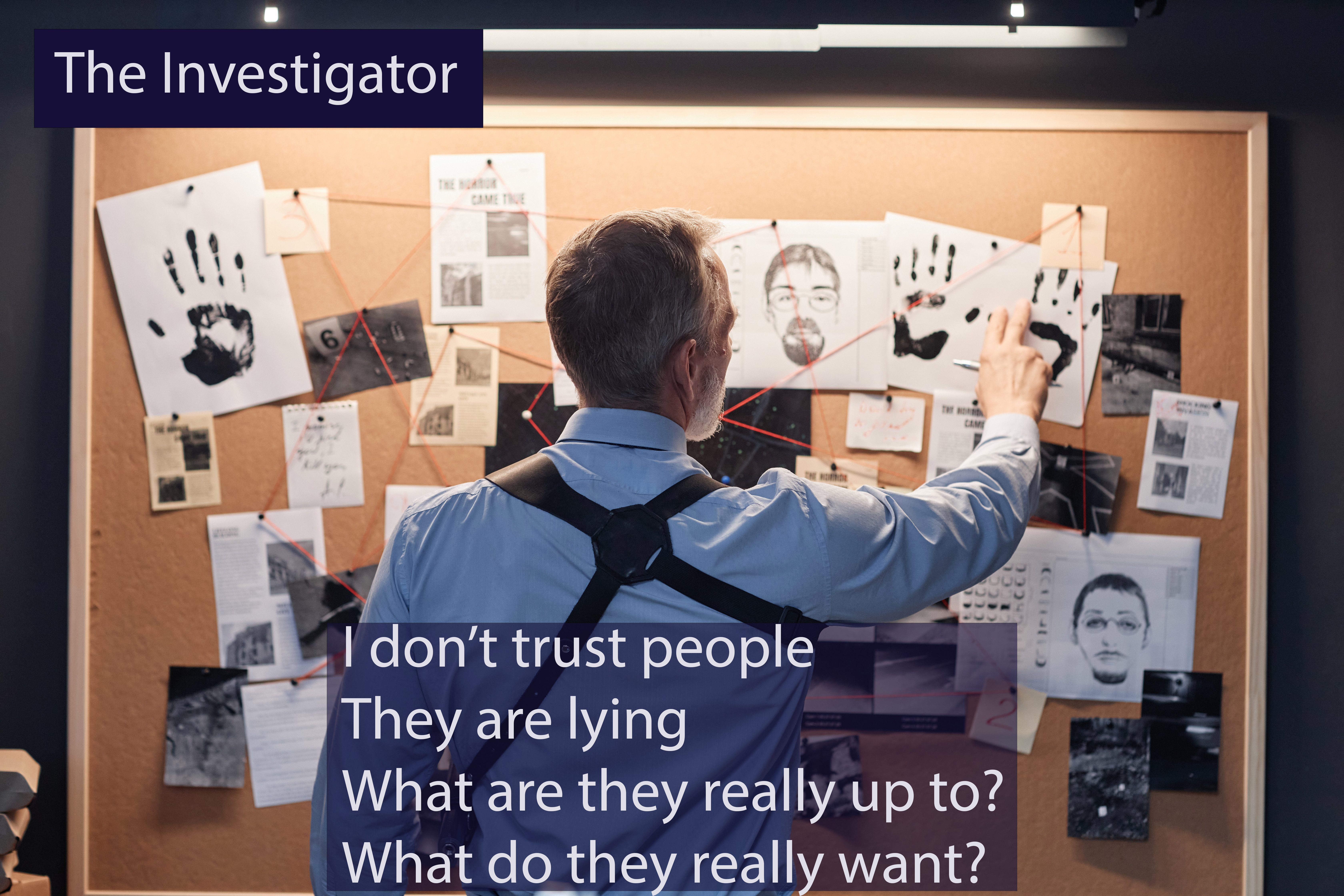
Difficulty in Trusting Others
Feelings of Hopelessness
Difficulty in Relationships
Difficulty Sleeping
Numbness
Fear of Conflict, Rejection, Abandonment and Humiliation
The Behavioural Patterns of Complex PTSD
Difficulties in Attaching to Other People
"Attachment is (a reflection of] the infant's need to be safe from danger. We are not born securely attached. To the infant, the world is not a safe place."
Solomon 2011
Neglect and Abuse Affect the Ability to Attach to Other People in a Healthy Way
When a child is born into a narcissistic family, their difficulties start from day one. This is evidenced by studies on children and their relationships with their mothers. By age one, the children were seen to have either a secure, an avoidant, an ambivalent or a disorganised attachment style which meant that they were either secure and content and were confident that their needs would be met or that they were anxious, emotionally distant, confused or passive and believed that their needs will often or almost always not be met, so the child is being shaped and is adapting to their environment in profound ways. The children were followed into adulthood and it was found that their attachment style had stayed the same as it was when they were a year old. A child has to adapt to the fact that their parent does not meet their needs and that they have to meet their parent’s emotional needs.
Disconnecting From Fundamental Needs
Repressing Needs
"[W]ith a (frightened/frightening] caregiver, infants are caught in a relational trap: their defense systems motivate them to flee from the caregiver, while at the same time their attachment system motivates them, under the commanding influence of separation fear, to strive for achieving comforting proximity to her or him."
(Liotti, 2011, p. 235)
If the needs of a young baby are not being met, how does the baby cope? Children with narcissistic parents often develop a disorganised attachment style. The parental figure/s will have been unstable, volatile and frightening to the child. This results in an internal struggle in the child between wanting to attach to them and wanting to be away from them (being in defence). The child will attempt to deny their own attachment needs, avoid closeness and intimacy and being dependent in relationships. At the same time, they will also develop co-dependent and clinging behaviours. These behaviours are rooted in the different survival strategies. Children will often attempt to handle any distress alone. There will be a striving for self-reliance and independence. Painful emotions and behaviours such as crying are viewed as weak and pathetic and ‘neediness’ is seen as dangerous. Attachment needs cannot be ‘got rid of’ so they have to be repressed.
Developing an Adapted Self
Replacing Authentic Emotions with Safer Emotions
There is a necessary repression of the child’s wants and needs as this feels safer. There is a feeling ‘good’ in the safety of doing what others want. In an attempt to maintain as much emotional equilibrium as possible, the child will need to develop the ability to hide certain emotions and show certain emotions. These adapted patterns develop in childhood and continue into adulthood. A system of adapted feelings is developed which ‘replaces’ some of the authentic feelings. The following examples are general and may not apply to everyone:
- Praising or liking ourselves triggers discomfort and this can trigger self-deprecating comments and shame
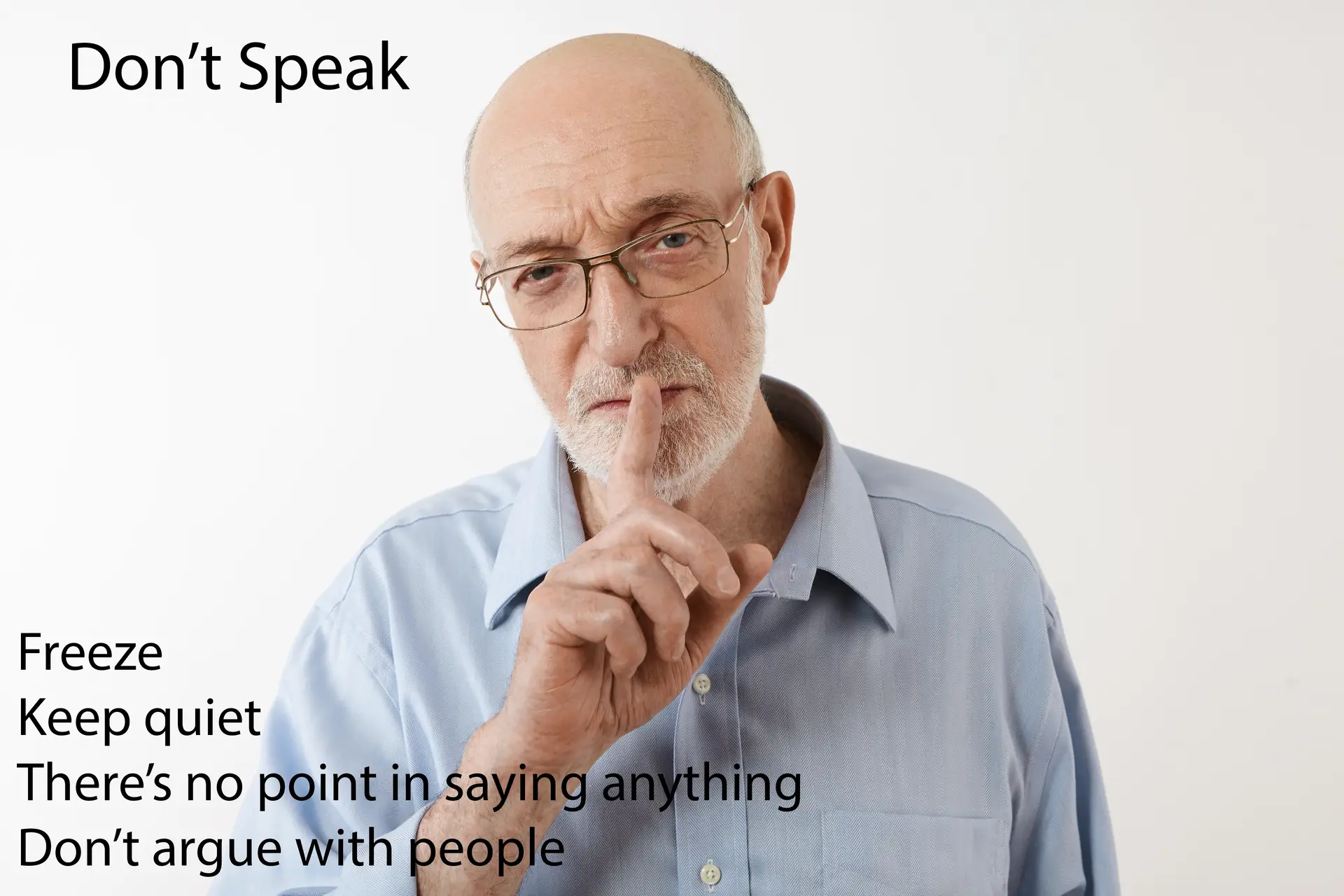
- Feelings of wanting to stand up for ourselves triggers discomfort and this triggers placating, fawning or frozen (shut down and an inability to speak) behaviours
- Perceived rejection triggers sadness and this triggers anger and then the source of the rejection is devalued
- Being noticed and seen can trigger fears of criticism and judgment so this can trigger freezing or withdrawal
- Being close to another person can trigger the fear of engulfment or rejection and this can trigger feelings of panic and wanting to escape
- Someone being rude or abusive can trigger anger which can trigger self-doubt and they may question that they are being overly sensitive
These adaptive reactions become automatic over time.
Reacting in an Automatic or Triggered Way
Becoming the Emotions
One of the symptoms of C-PTSD is:
- affect dysregulation (this refers to a poor ability to manage emotional responses or to keep them within an acceptable range of typical emotional reactions)
People with C-PTSD are hypervigilant, which means that they feel under constant threat and when things feel critical, their reactions need to be driven by feelings that are strong enough to compel them to act quickly. Quick responses somewhat minimise the physical and/or emotional damage and aid survival. If we view our automatic reactions as a working system – rather than dysregulated emotions – then they can begin to make more sense logically as we come to understand how it all works. It is a system of triggers and triggered reactions based on previous personal dangers towards which our brains are biased.
Avoiding Emotions and memories
Distracting Ourselves from Ourselves
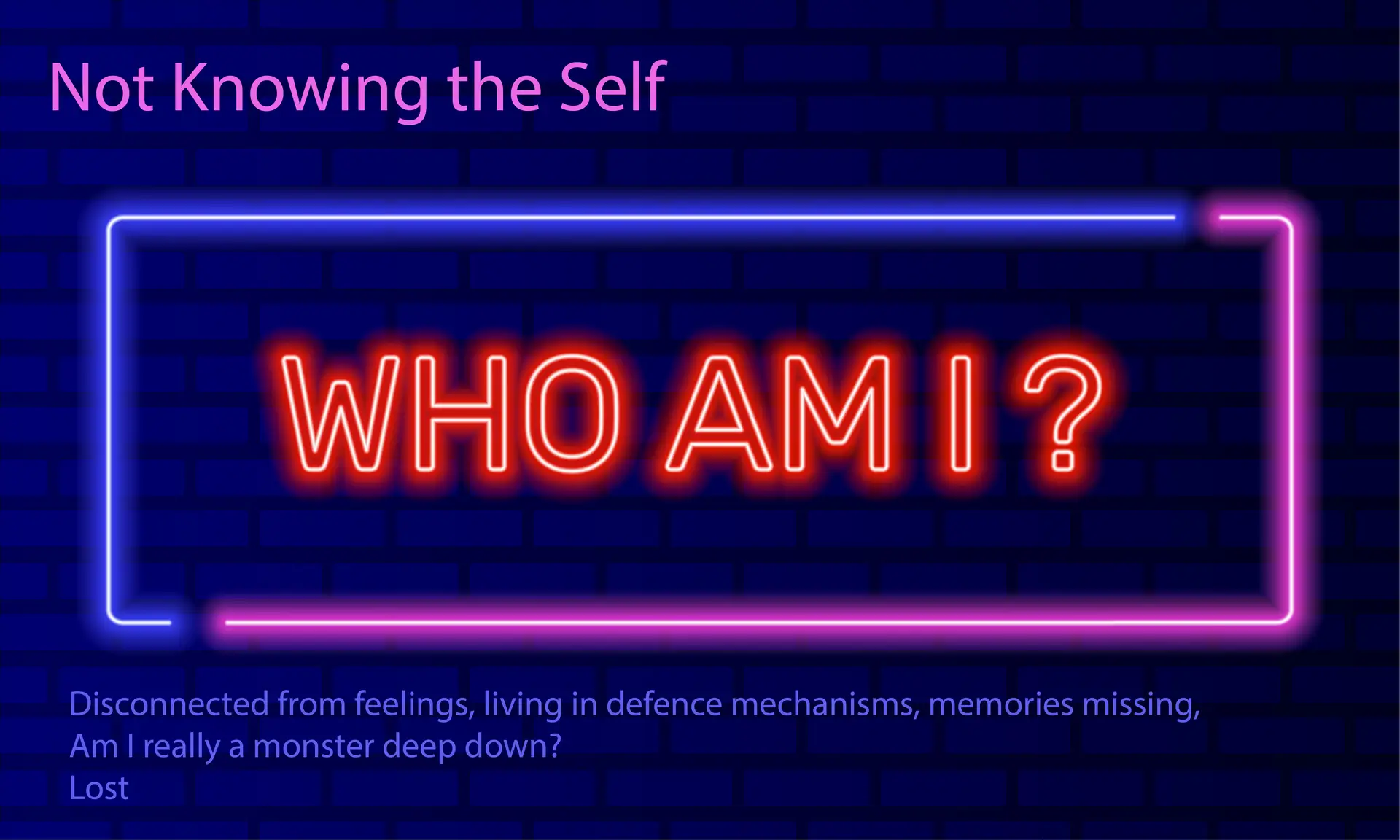
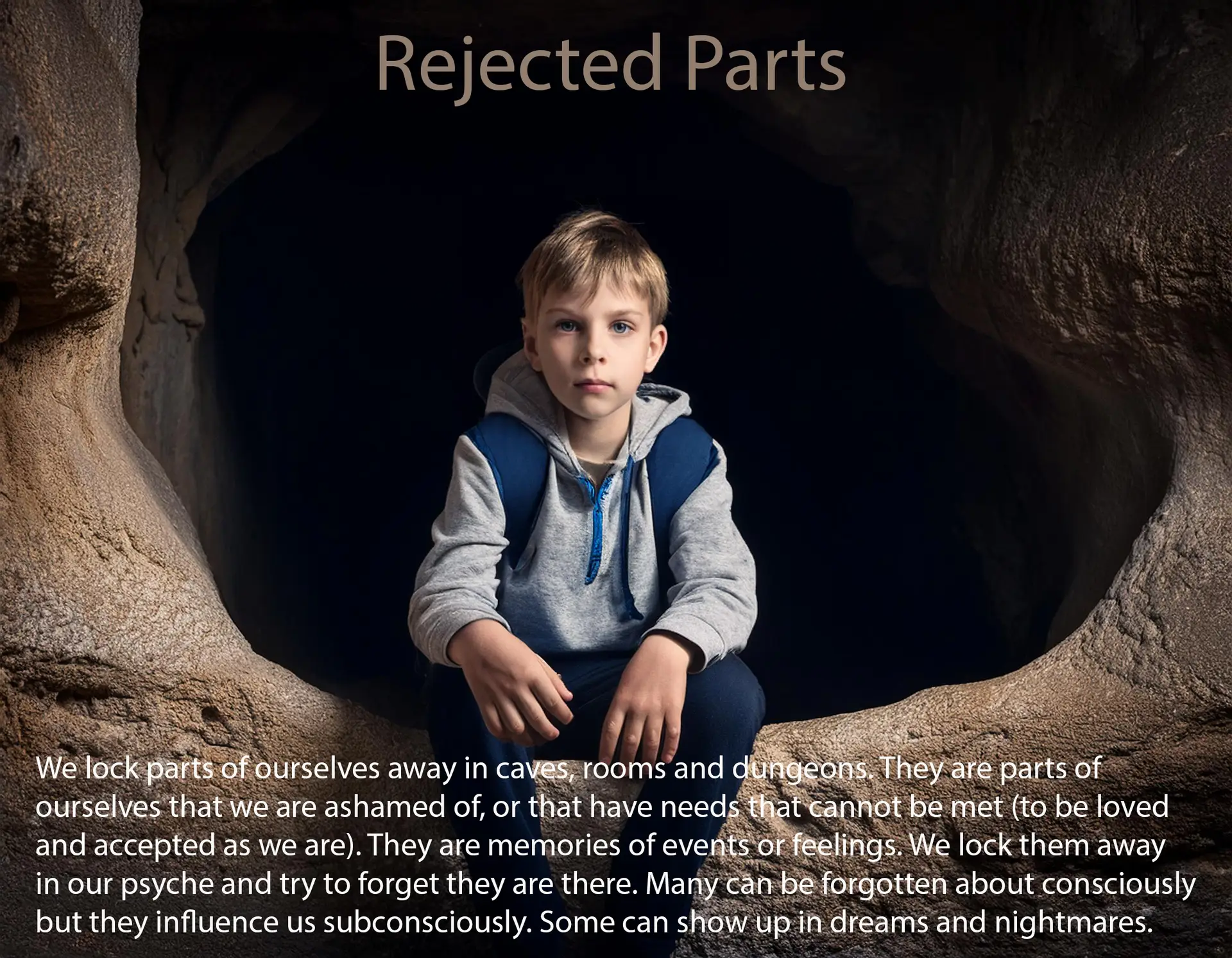
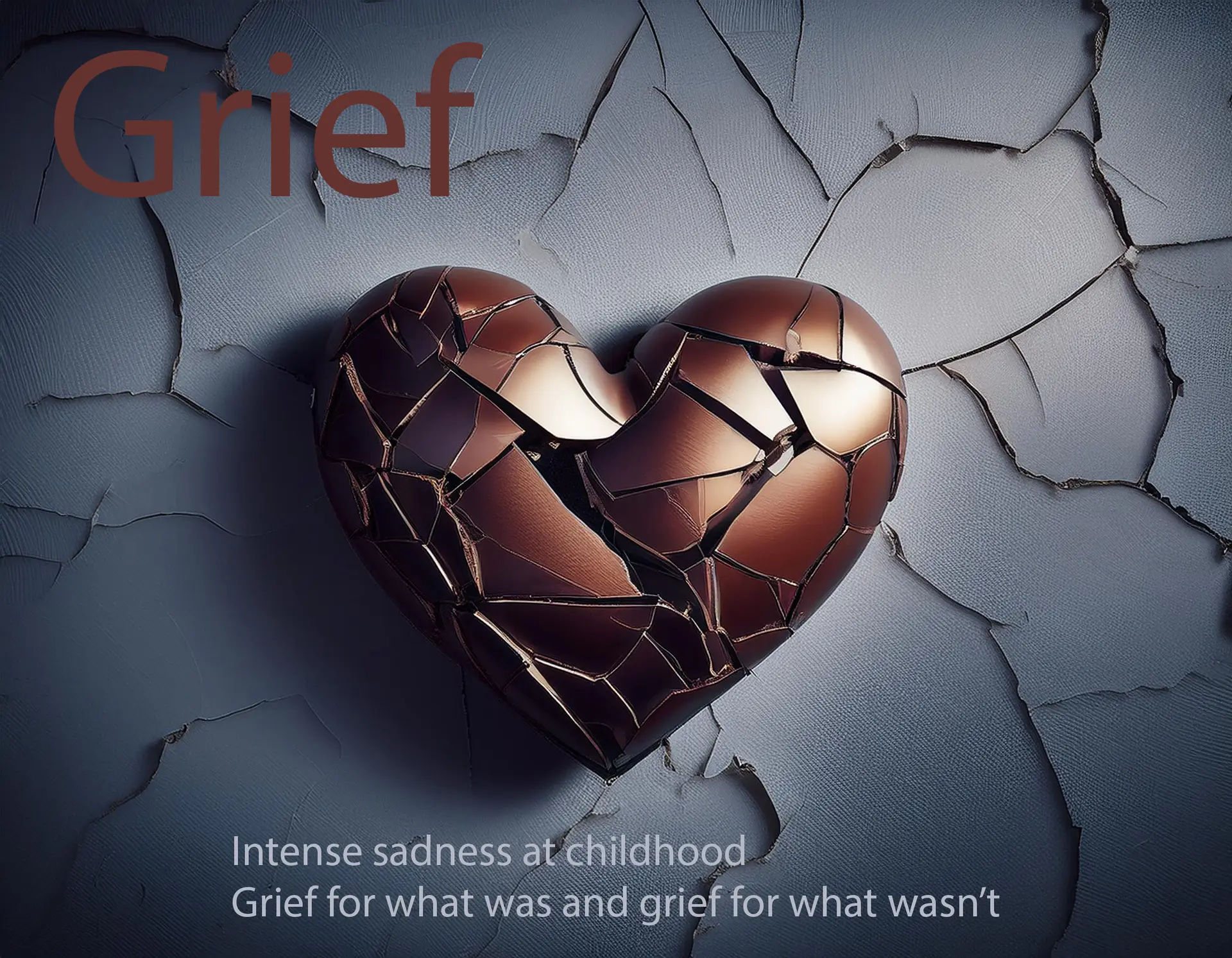
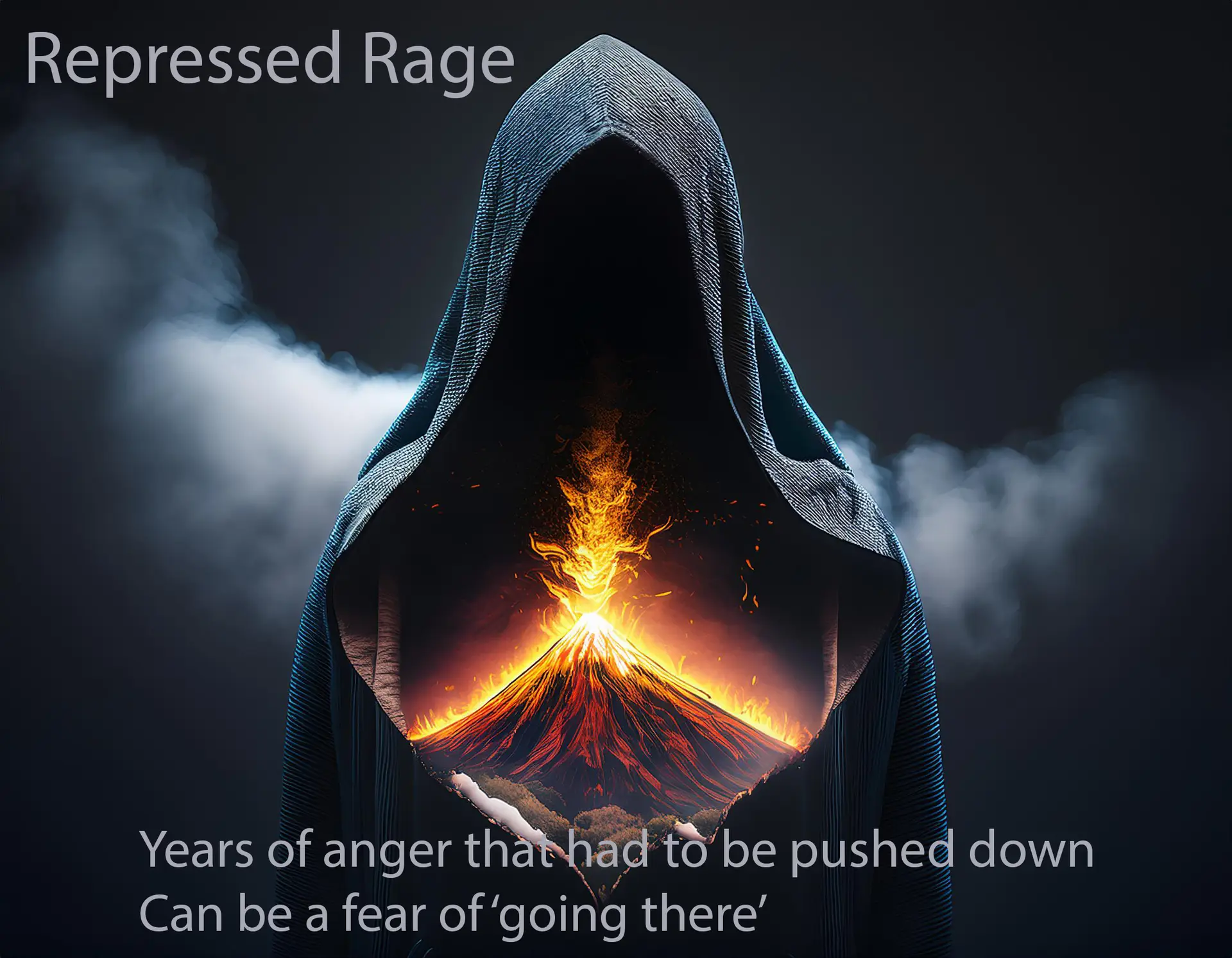
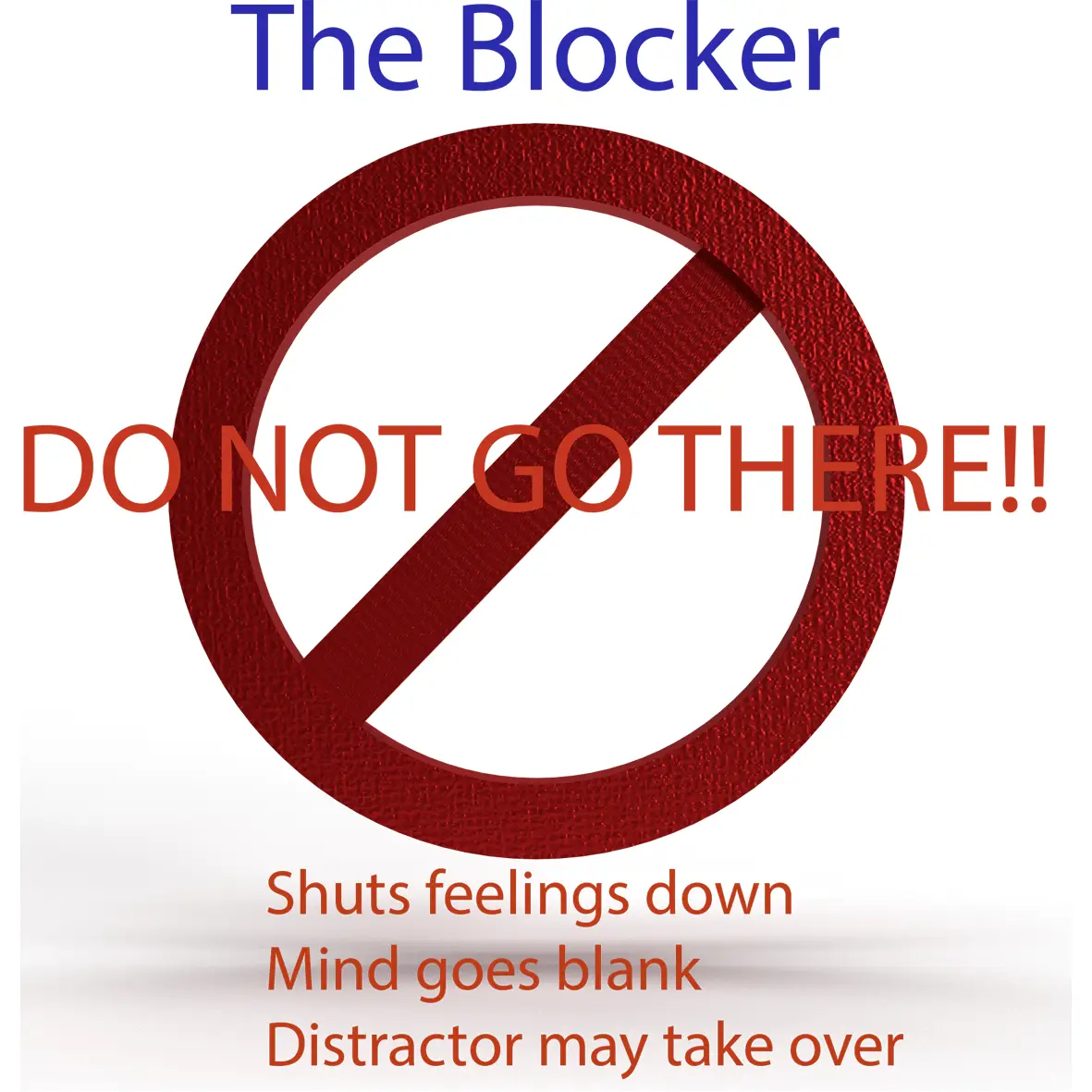
A system of avoidance develops to enable a person to continue to function and this means painful memories and feelings are repressed. The person avoids these memories and feelings as much as they can. There can be a huge fear that if they come to the surface, the person will cease to function, fall apart or fall down and never be able to get back up again.
Never Feeling Safe
There is no Safety Net and No one to Ask For Help
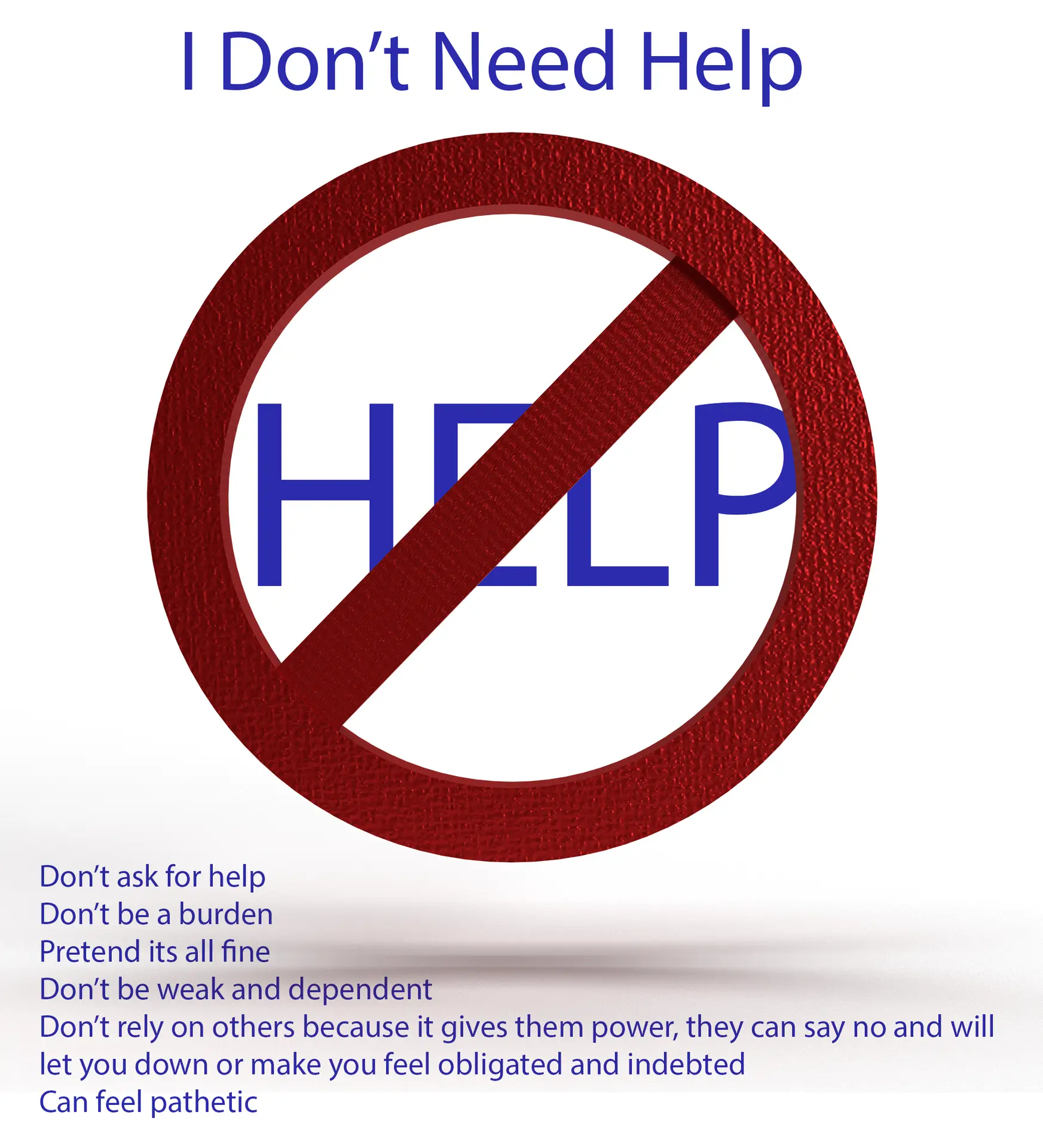
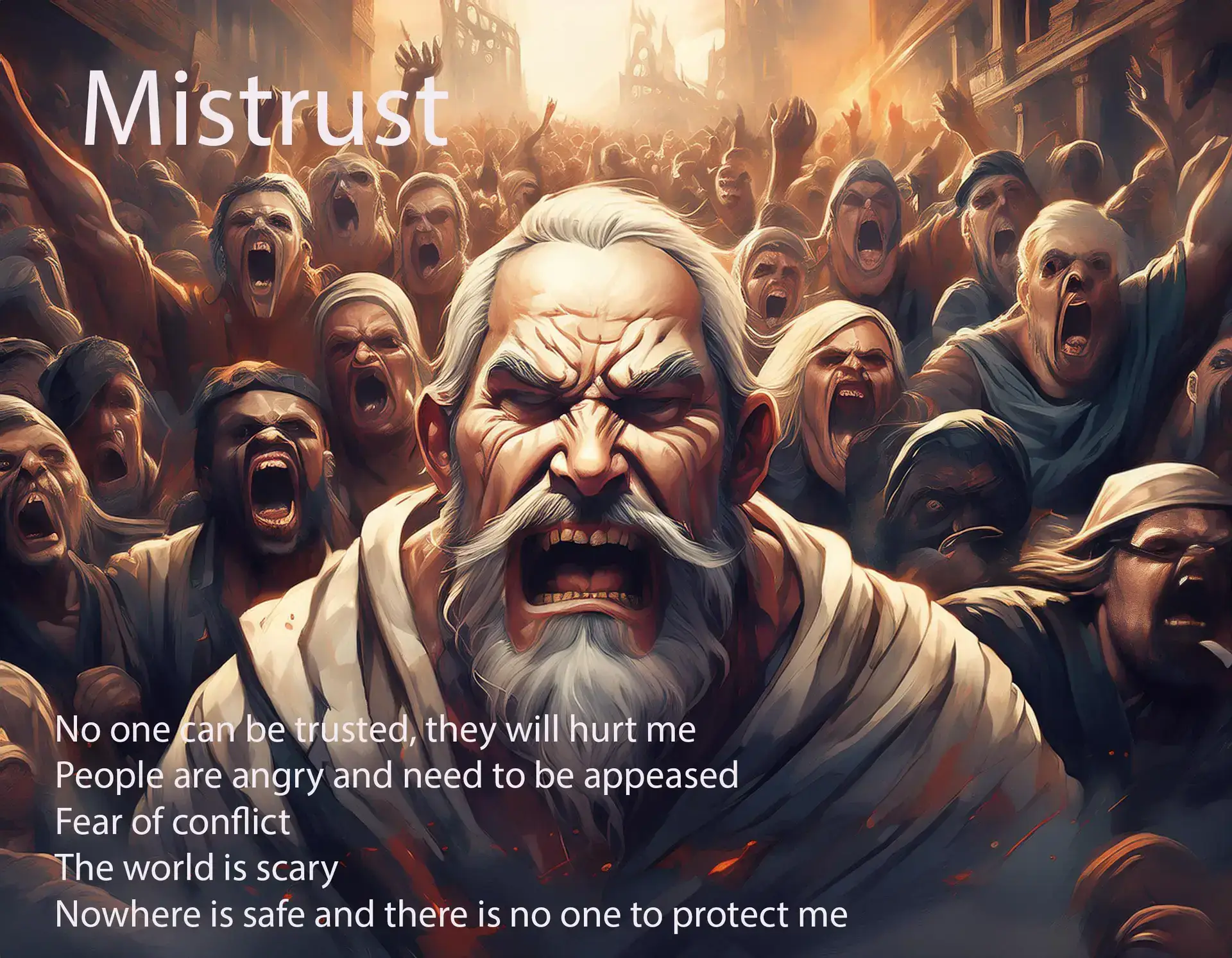
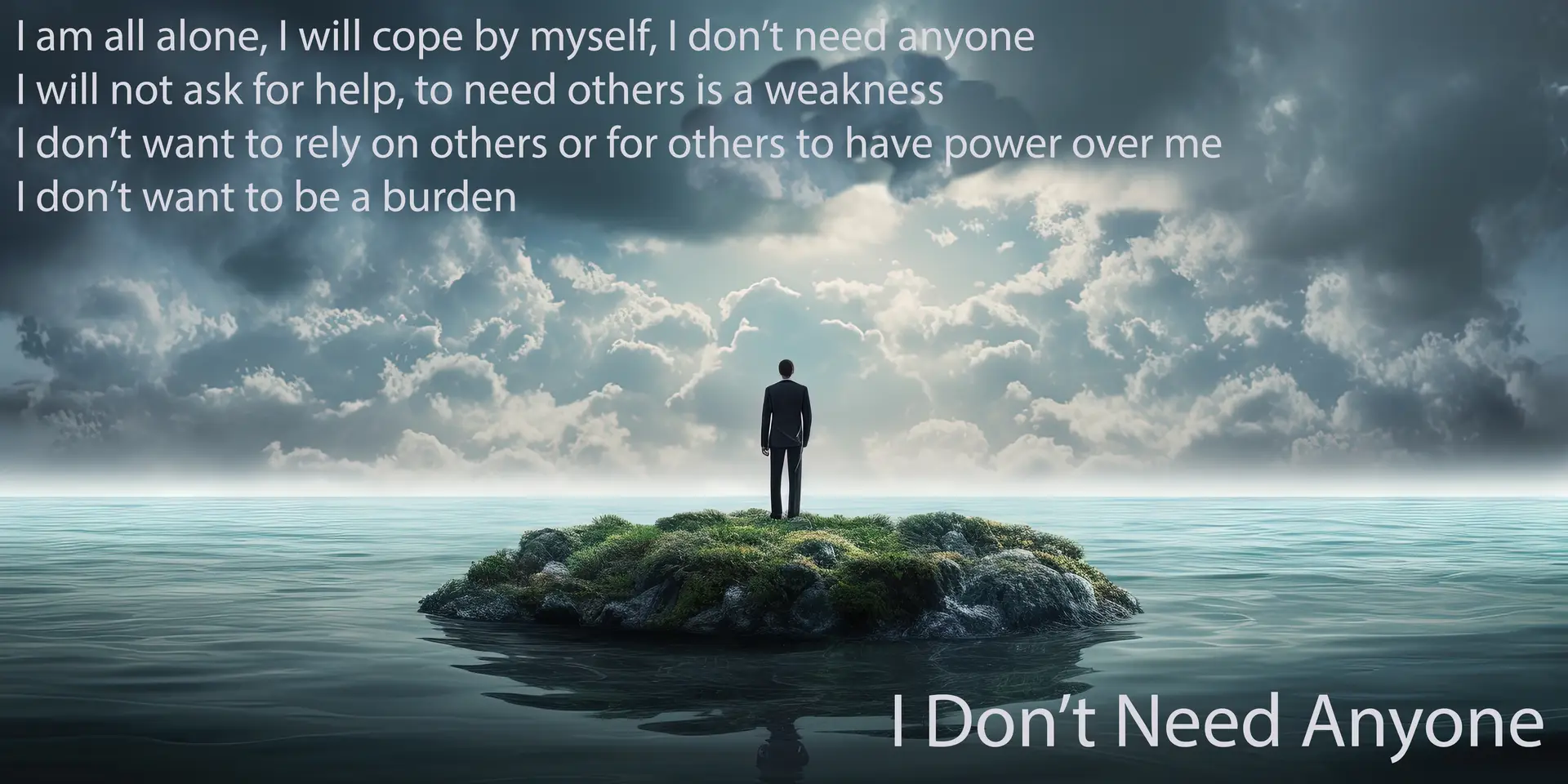
People from narcissistic families have grown up living in psychological warfare and this means that the world does not feel safe either externally or internally. There is a fear of other people and a fear of the self. Children of narcissists often feel that as there is no one they can really rely on, they have no safety net and they only have themselves to count on financially and emotionally. They feel alone in the world in many ways. There is often a reluctance to ask for help in any case as they would usually prefer to be as self-reliant as possible. Asking for help can render them vulnerable to rejection. Life, work and relationships can feel as though they are always about to come crashing down.
C-PTSD is a System of Painful, Inaccurate Core Beliefs
A Self-Fulfilling Prophecy
"Core beliefs are a person’s most central ideas about themselves, others, and the world. These beliefs act like a lens through which every situation and life experience is seen. Because of this, people with different core beliefs might be in the same situation, but think, feel, and behave very differently."
Therapist Aid
Core beliefs feel like facts even though they are frequently untrue. Beliefs are the drivers of people’s behaviours and they are the foundation of people’s lives. What people believe to be true will become true as expectations shape a person’s behaviour. This is known as a self-fulfilling prophecy. People rarely question their beliefs as they have been there so long, are deeply ingrained and feel like the truth. A person with C-PTSD will develop many of the following core beliefs, which they may or may not be aware of consciously;
Common Core Beliefs
I am unlovable and worthless
I need to work hard to get others to like me
Deep down I am disgusting, evil, and bad etc.
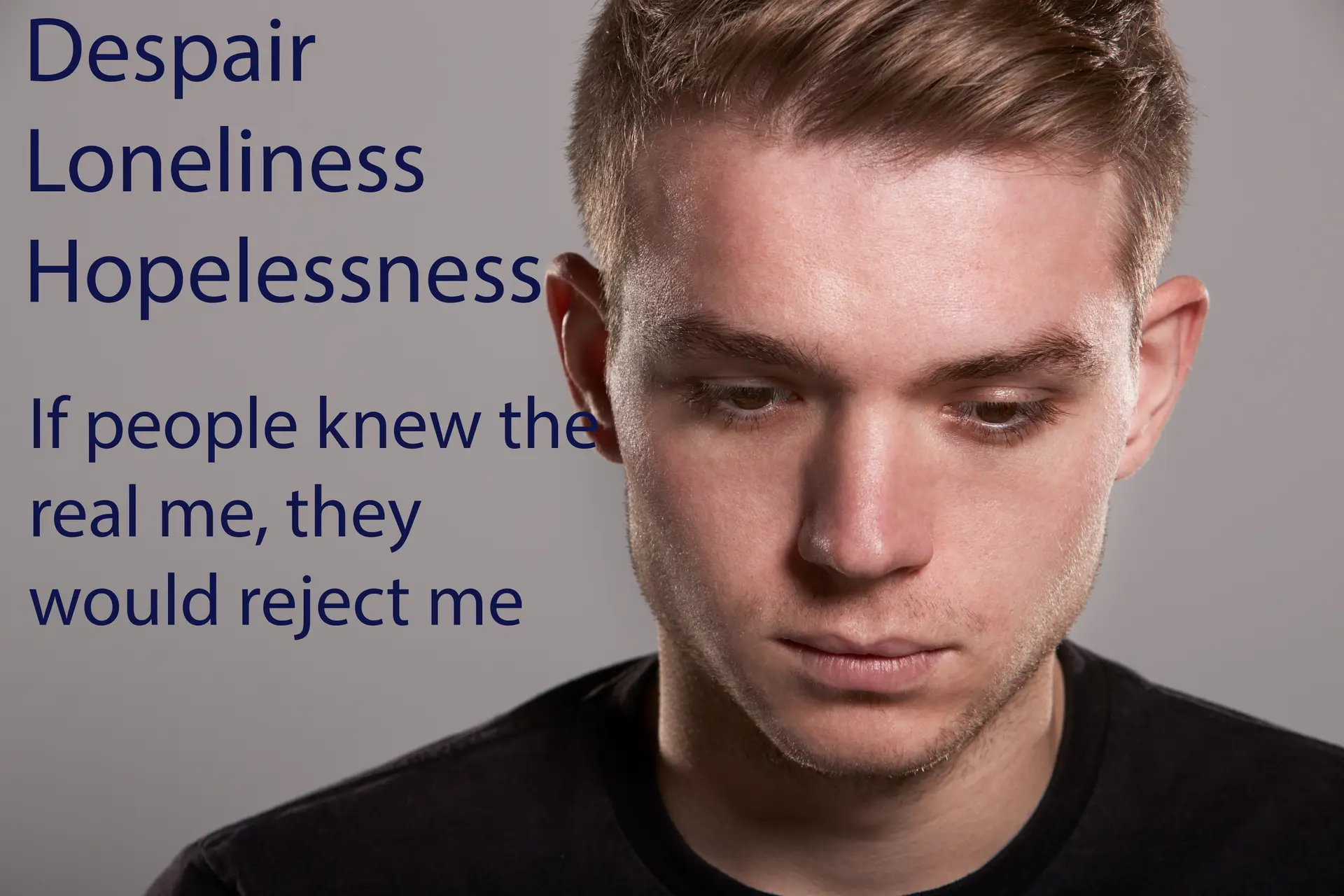
If people see the real me they will reject me
People are dangerous and need to be appeased
I need to avoid conflict
I shouldn’t ask for anything nor make demands on anyone
I should not annoy people
If someone likes me there is something wrong with them
If someone doesn’t like me they must be alright
No one will ever like me
Feelings are weak and pathetic
If I tell others my feelings they will use them against me
I only have value if I am doing things for others
If I do things for myself I am selfish
I will not/can’t ask anyone for help. I will be self-reliant
I must know what others are feeling
I need to cheer people up
Any relationship is better than no relationship
I need to rescue my parent/s and/or siblings, make them feel better, take the pain and protect others
I need you to need me
I am angry that I try so hard and give so much and still I am not loved
I am angry that nobody saved me
Anger is bad and I am a bad person if I am angry, frustrated or displeased
If I do what others want they will like me, love me and want to be around me
If ‘X’ happens I will be happy, if I move to ‘X’ I will be happy etc. (Happiness exists in the future when certain criteria are met)
Thinking about myself is indulgent naval gazing
If I stand up for myself I am aggressive
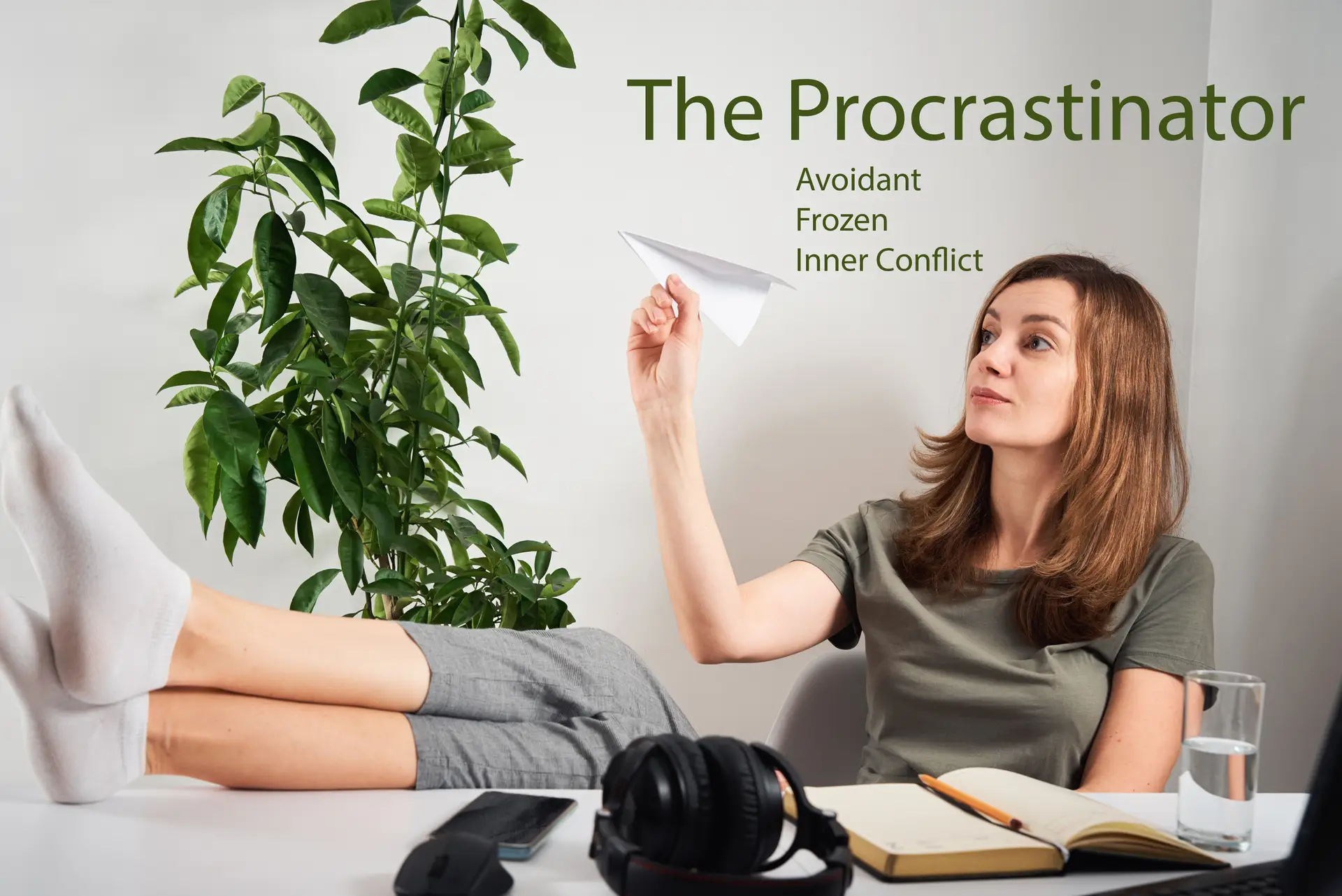
Procrastination and Struggling to Make Simple Decisions
Conflicts Between Different Defence Mechanisms
People can often feel like there is a civil war going on inside. There can be many inner conflicts between different defences. These can be confusing to understand as a person can have extreme contradictory reactions – they may:
- blow hot and cold
- feeling affection for someone one minute and hate for them the next
- be clingy one minute and distant the next
- talk about wanting to be with their partner forever and then talk about splitting up half an hour later
The inner civil war can keep people stuck, frozen, procrastinating and struggling to make decisions or take action.
A couple of examples follow;


Good Girl, Good Boy
One of our fawning, submissive defence parts might be the good girl or boy. The agenda/strategy of this part is to ‘go along to get along’ and its triggers are;
- Criticism
- Sense of expectation
- Frustration
The core beliefs of this strategy may be;
- ‘Shut up and do what they want’
- ‘If you have needs, they will be angry’
The compliance of our submit defences can trigger flight defences such as needing to escape, taking substances or dissociating.
Strong and Untouchable
A part based in the fight strategy will be in direct conflict with submissiveness by default. Fight parts can be triggered by;
- Separation
- Authority figures
- Closeness
- Dependency
The core beliefs of this strategy may be;
- ‘Its dangerous to let people close to me’
- ‘I will never cry and you will never hurt me’
- ‘Emotions are weak and pathetic, crying is pathetic’ etc.
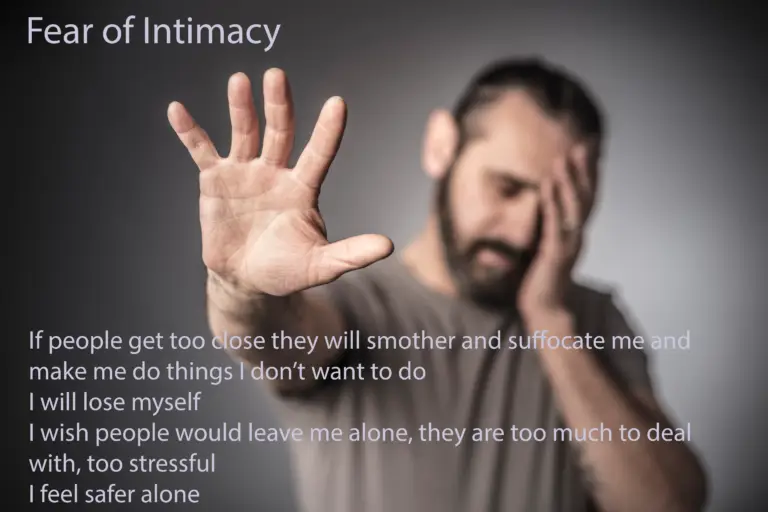
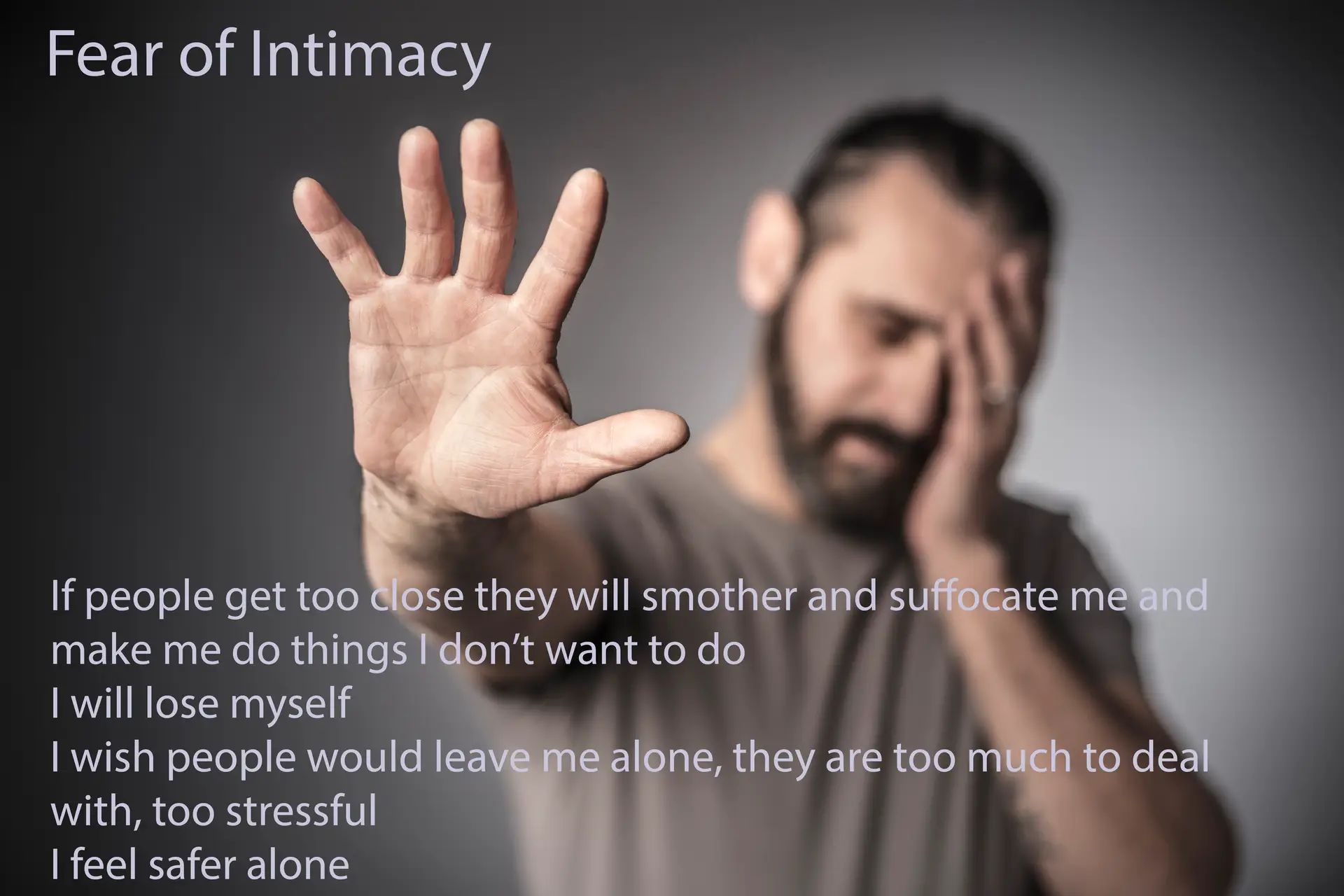
Fear of Intimacy
This can be triggered by situations such as other people:
- being interested
- wanting to be closer
- feeling too close
- making requests and demands
The core beliefs of this strategy may be;
- ‘It’s dangerous to be close to people’
- ‘If I let people too close they will control me’
- ‘If I let people too close they will ‘enslave’ me and I will lose myself’
This will trigger flight. People will seek relief in addictive behaviours, or creating an argument with the person who feels too close to create distance.
Learning to set boundaries and say ‘No’ will help with this.
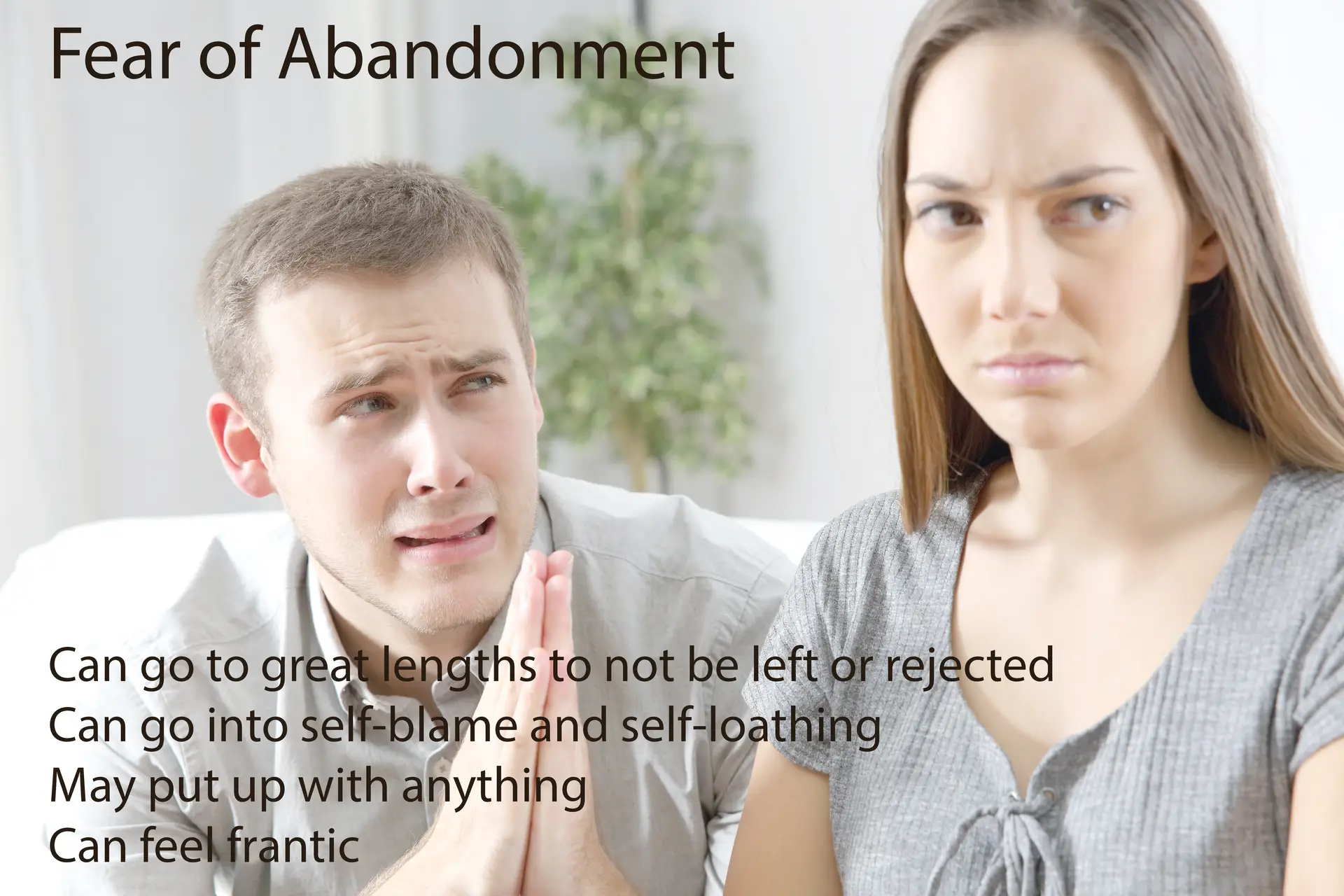
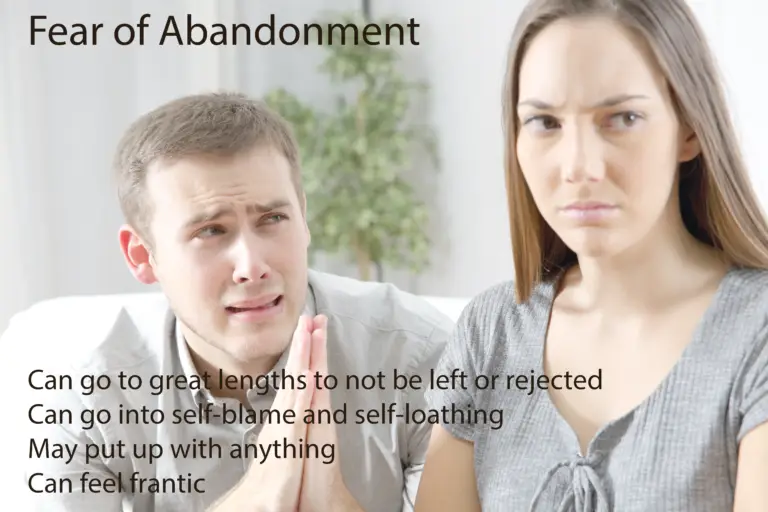
Fear of Abandonment
This can be triggered by situations such as:
- conflict
- people not responding quickly to messages
- people seeming to be distant
- other people who seem threatening being around a significant other. For example, an attractive woman being around a boyfriend/husband or a fun person being around a friend who you fear may replace you
The core beliefs of this strategy may be;
- ‘Don’t leave me. I need you. I can’t cope without you’
- ‘No one else will want me. I will be alone forever’
- ‘Being abused is better than being alone’
- ‘I need to please everyone’
- ‘I must not upset anyone’
Feeling safer and having healthy self-esteem will help with this.
How To Fix Complex PTSD
The process of ‘fixing’ Complex PTSD is to:
- tune into emotions
- come to recognise defence mechanisms/automatic reactions or ‘parts’ in patterns and cycles of behaviour
- recognise and work through inner conflicts
- recognise unhelpful and destructive core beliefs and work to change them
- learn to regulate the nervous system and emotions
When this happens the damage can start to be repaired in much the same way as the physical body does when injured. The real self regularly attempts to flourish but the defences fight against this: i.e., a person wants to meet a need like to take a day off work when they are ill, but then will feel an emotion like guilt, and feel they can’t let people down and they go to work, going back to not meeting their needs.
Tuning into Emotions and Bodily Sensations
Reconnecting to Ourselves
Within C-PTSD, a person may be aware of some of their feelings. There will be some that are out of their conscious awareness as they are painful or will be overwhelming or cannot be tolerated. These need to be tuned into. Once feelings have been tuned into – they can be deconstructed – for example – a person may feel guilt but it is not always a genuine guilt. The guilt may instead be false and might be connected to the person wanting to do something for themselves and a person’s wants and needs have guilt attached to them which keep them in the role of serving other’s needs.
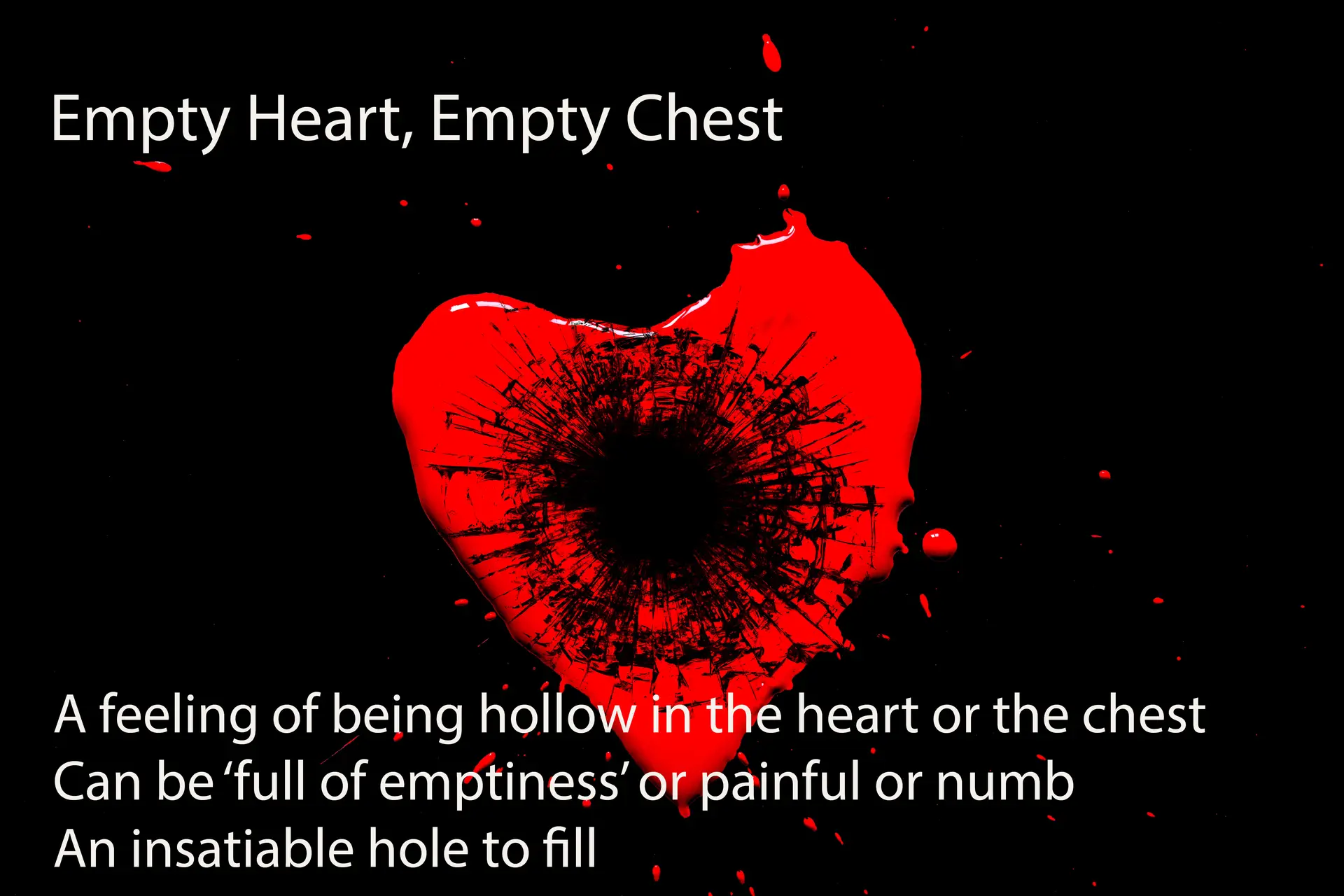
Body sensation such as a knot in the stomach or an emptiness in the chest can also be telling a person something important.
Discovering The Self - Charting our 'Parts'
Developing Self-Awareness and Recognising Automatic Reactions
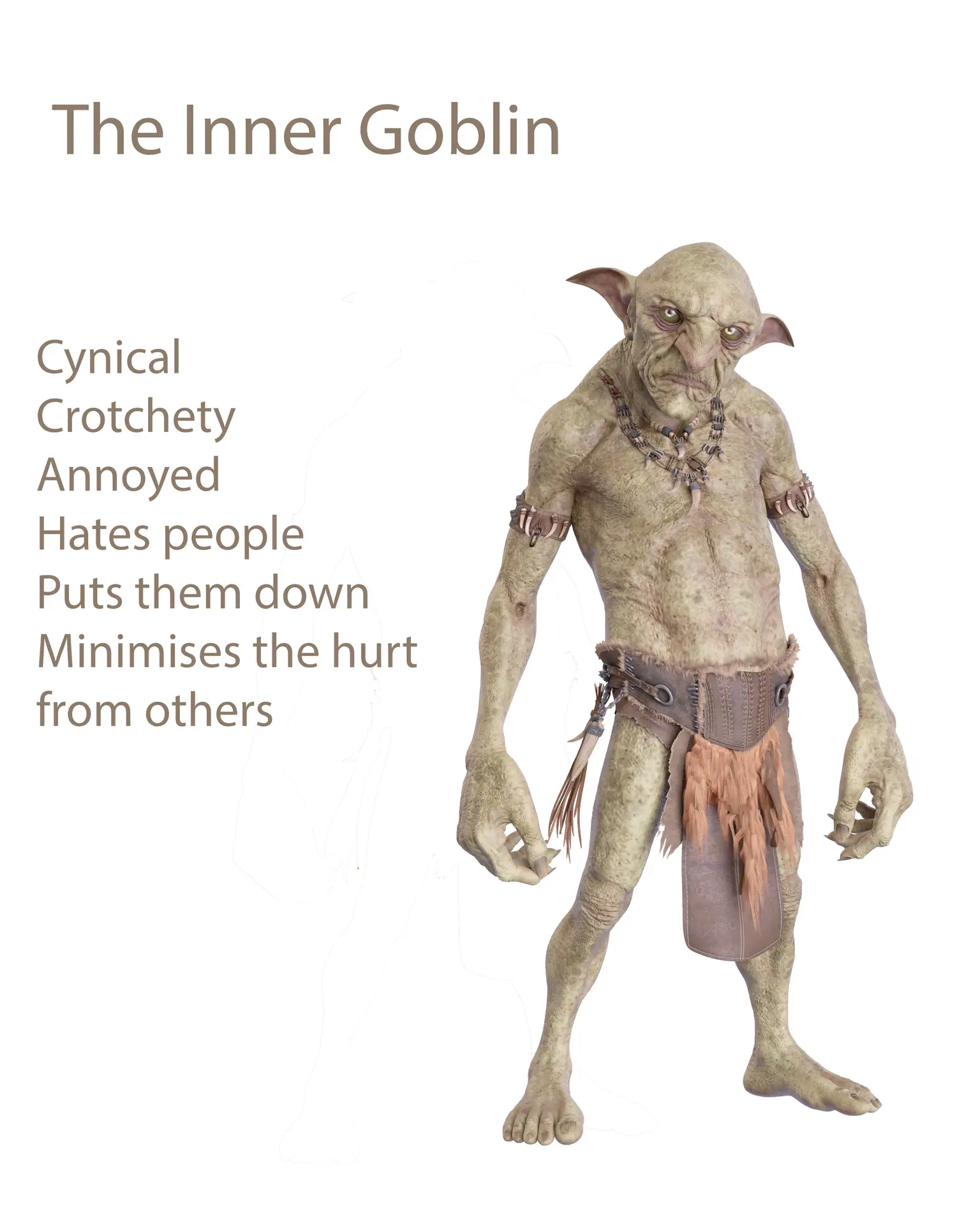
Traumatised people often think, ‘That’s just me’ about themselves when in actual fact they may be looking at a trauma response in themselves. A ‘part’ of themselves. Other names for ‘parts’ are; triggered responses, trauma responses, mood states, automatic reactions, aspects of the self or dissociated parts.
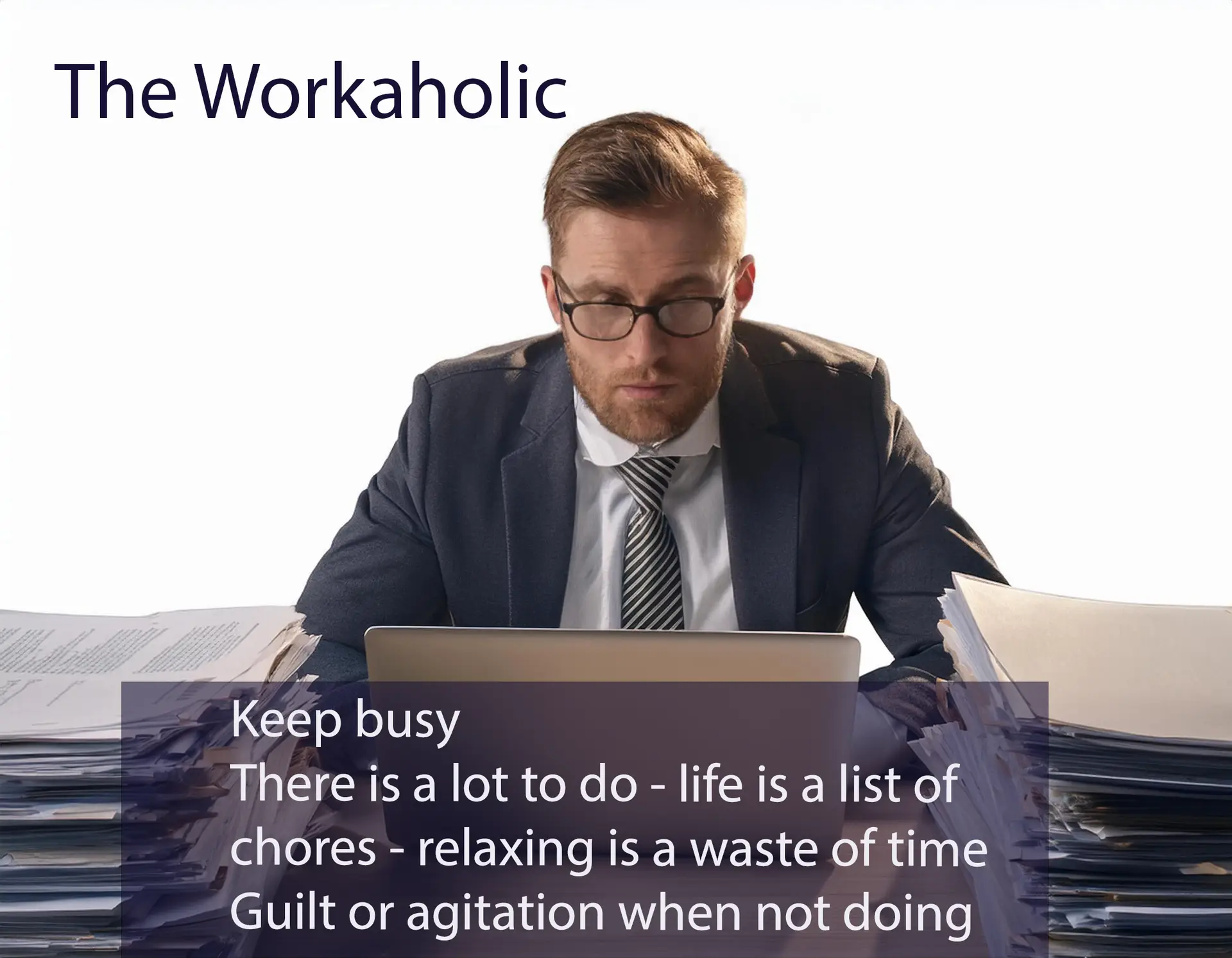
A typical person may function in this way: Some parts are almost always active like hypervigilance, mistrust, people pleasing and keeping very busy. Some are activated on a daily basis in the evenings (or earlier) like the addictive parts and the compulsion to overeat, doom scroll or to take a substance can be overwhelming. Some parts are well defended against and rarely triggered, for example, sadness and grief about the past which has been buried. When parts are triggered they blend with the conscious mind and can be hard to shift once activated. Some parts may be triggered and be impossible to shift for hours or days. Everyone has their own personal psychological profile.
Please see examples of common ‘parts’ below.
Conflict Management - You and Your 'Parts'
Integrating Your 'Parts'

Recognising the different parts leads to being able to develop an internal dialogue with those parts. This repairs the wounds of the past so the past can finally feel over. A person learns to give themselves what they needed and didn’t receive; understanding, compassion, recognition, unconditional love, care and acceptance.
Finding Parts
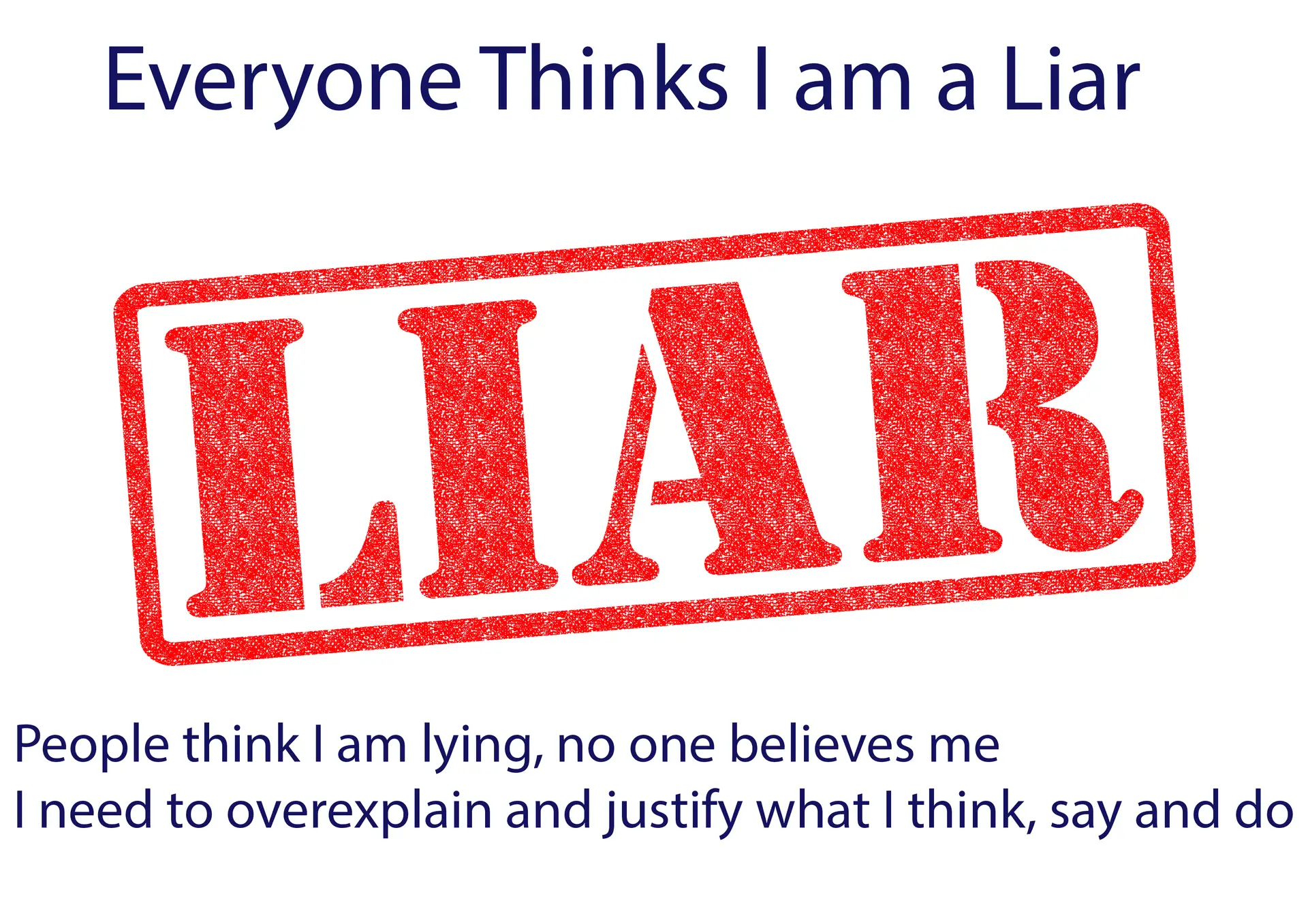
Parts can be discovered by noticing your patterns of behaviour and common reactions – do you panic if you have nothing scheduled for the day? This might be evidence of needing to constantly achieve or a fear of not being distracted enough from your emotions. Do you feel guilty every time you are ill and often refuse to take time off? This can be evidence of feeling that meeting your own needs is bad or even dangerous or that it is too frightening to let others down as they may be angry. If you find yourself frequently overexplaining yourself to others, this might be evidence of an expectation of being misunderstood, doubted or called a liar. If you find yourself obsessing over a past, current or potential relationship then this can be evidence of a lonely part desperate for recognition and love.
Building Relationships with Parts
After discovering a part a relationship needs to be cultivated. Questions like these can be asked:
How did that part help you to survive?
How would life have been without that part?
How do I feel towards that part?
Accepting Parts
Notice parts without wanting to fix them. This helps with acceptance
Notice parts without becoming them
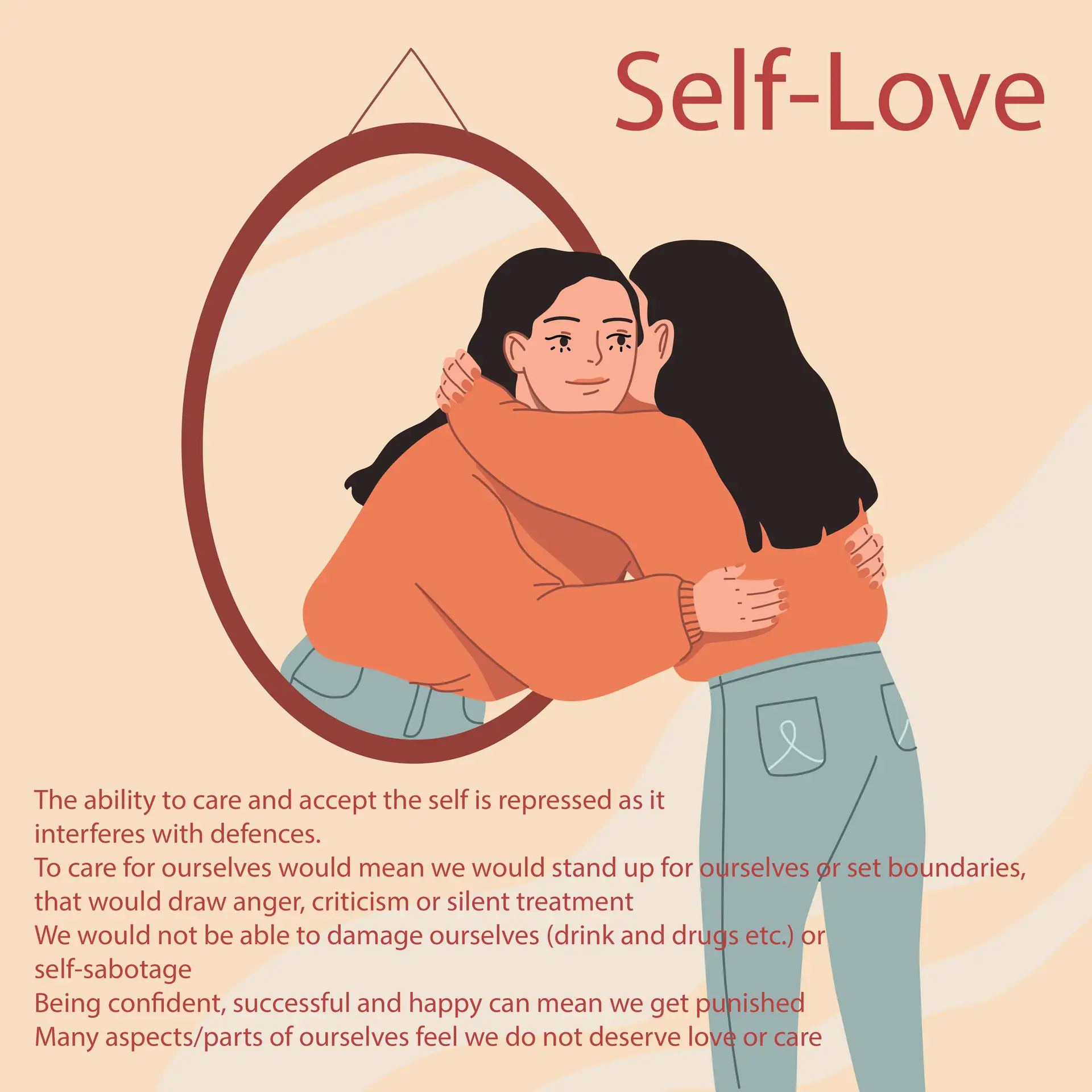
Self-hug
Place your hand on your heart
Place your hand on the area of your body where you feel the stress, sadness or anxiety
Say to a part – you are not alone
The 4 Befriending Questions – Janina Fisher, PhD
At the root of a part there may be fears of rejection, humiliation, abandonment, death or something else. These 4 questions can help to discover which it might be.
What is the part worried about?
If that happened what would the part be worried about?
And if that happened what would they be afraid would happen next?
What does that part need from you, here and now, to feel safer and know it would be kept safe?
People have often abused and neglected themselves and recognising and paying attention to parts is half the battle won. Coming to understand each part and its function and working towards empathising with them (and therefore yourself) is the goal.

Inner Conflict Management - Between the Parts
Inner Conflict Management Strategies
It can be useful to think in terms of using conflict management strategies from the world of work to create cohesion in our internal world between the conflicting parts with conflicting agendas. The following kinds of questions are useful;
- What part was triggered by what circumstances?
- How did that part help me to survive or to minimise abuse and rejection by reacting in that way?
- What would have happened if I had reacted in a different way?
- What would have happened if I hadn’t told myself that emotions were weak and pathetic?
The strategies below are taken from an article on Conflict Resolution in the Workplace from useshiny.com. Please see link here.
Collaborative Problem-Solving (Interest-Based Relational Approach)
This conflict resolution strategy moves beyond surface-level arguments, or “positions,” to uncover the underlying needs and motivations, or “interests,” of each party involved. Instead of a win-lose outcome where one side must concede, the Interest-Based Relational approach aims for a mutually beneficial, or win-win, solution. It transforms conflict from a battle into a shared challenge to be overcome together. This approach is ideal for complex, multi-layered disputes where maintaining long-term relationships is crucial. It works best when parties are interdependent…
Actionable Steps for Implementation
- Establish Psychological Safety: Begin by setting ground rules for respectful dialogue. Ensure all parties feel safe to express their perspectives without fear of retribution.
- Identify Interests, Not Positions: Ask “Why is that important to you?” to move beyond demands and uncover core needs.
- Brainstorm Solutions Together: Create a list of all possible solutions without judgment.
- Evaluate and Agree on a Path Forward: Select the solution that best meets the most critical needs of all parties involved.
Assertive Communication and Direct Negotiation
… encourages a proactive, honest dialogue where each person articulates their perspective while also committing to understanding the other’s viewpoint. It is about being firm and fair, not forceful.
Active Listening and Empathetic Understanding
… involves deep listening, perspective-taking, and emotional validation before attempting to solve the problem. Instead of a debate, the interaction becomes a quest to understand the other person’s viewpoint, feelings, and underlying needs.
Actionable Steps for Implementation
- Set the Stage: Minimize distractions and give the other person your full attention. Show you are engaged and receptive.
- Listen to Understand, Not to Reply: Focus completely on what is being said, both verbally and non-verbally. Resist the urge to interrupt or formulate your response while the other person is speaking.
- Reflect and Clarify: Paraphrase what you’ve heard to ensure understanding. This validates their feelings and confirms your comprehension.
- Acknowledge the Emotion: Before jumping to solutions, acknowledge the emotional component of the conflict. A simple, “I can see why you’re frustrated by this situation,” can significantly lower defensive barriers and pave the way for a more productive conversation.
Compromise and Mutual Concession
… both parties agree to give up something to find a workable middle ground… or “partial-win” scenario… for resolving disputes where time and resources are limited.
Actionable Steps for Implementation
- Focus on Fairness, Not Winning: The goal is to find a solution that feels equitable, even if it’s not ideal. Both sides should feel they’ve given up a comparable amount.
Regular Check Ins
… you establish a predictable rhythm for dialogue. This proactive approach normalizes open communication and catches minor misalignments early, preventing them from festering into significant … conflicts.
Actionable Steps for Implementation
- Schedule with Consistency: Implement a non-negotiable schedule for one-on-ones, ideally weekly or bi-weekly. Consistency signals that these conversations are a priority.
- Foster Psychological Safety: Begin meetings by asking open-ended, non-judgmental questions like, “What’s on your mind this week?”
- Follow Up and Close the Loop: Demonstrate reliability by addressing action items discussed in previous meetings. This simple act builds immense trust and shows that employees’ concerns are heard and valued.
Taking these steps eventually leads to a person feeling safer within themselves and in the world, more able to trust themselves and to be able to meet more of their needs and wants, and therefore, living a more balanced, well-rounded and happier life.
Discovering Your Core Beliefs
Challenge and Change Core Beliefs to be More Positive and Realistic
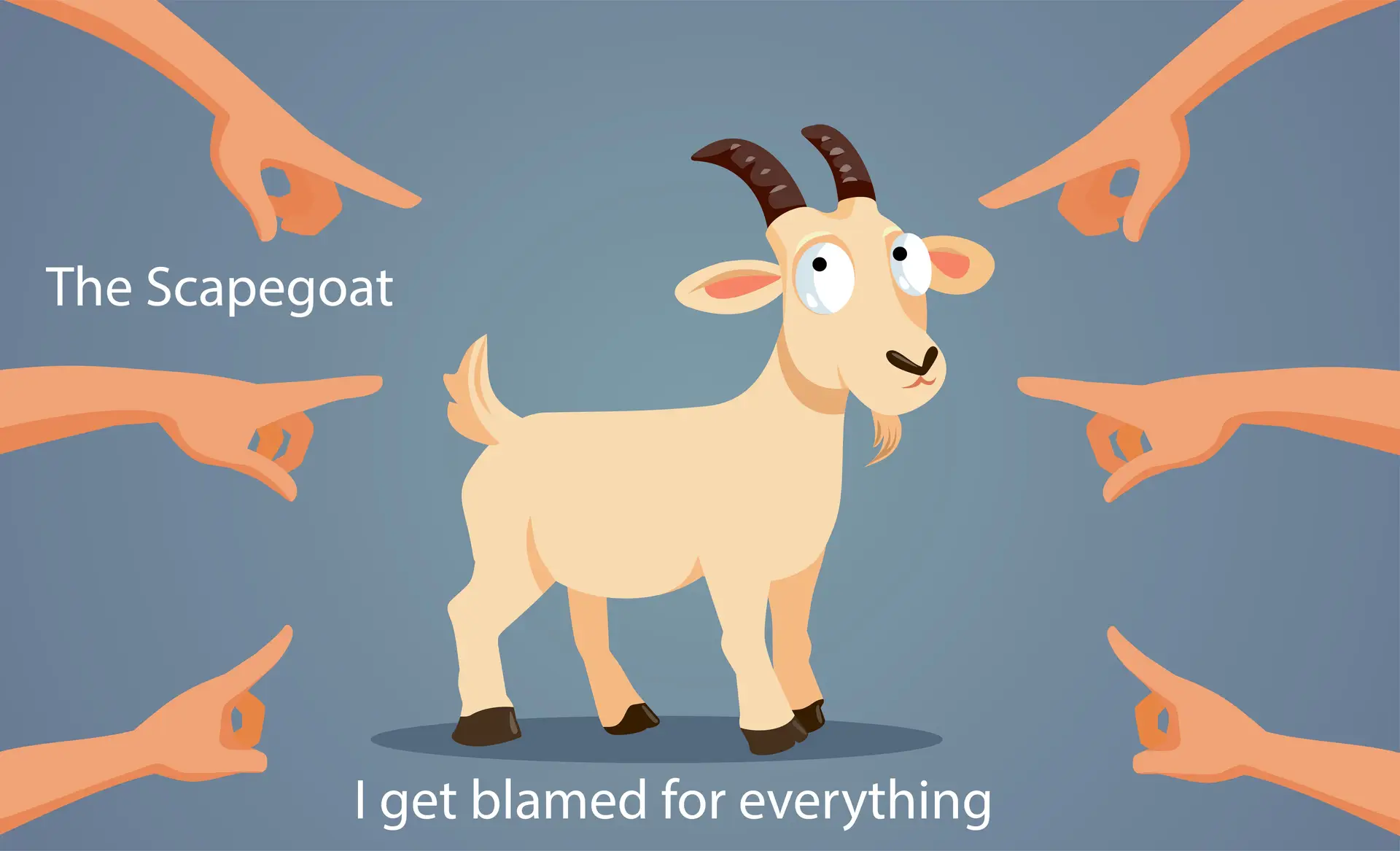
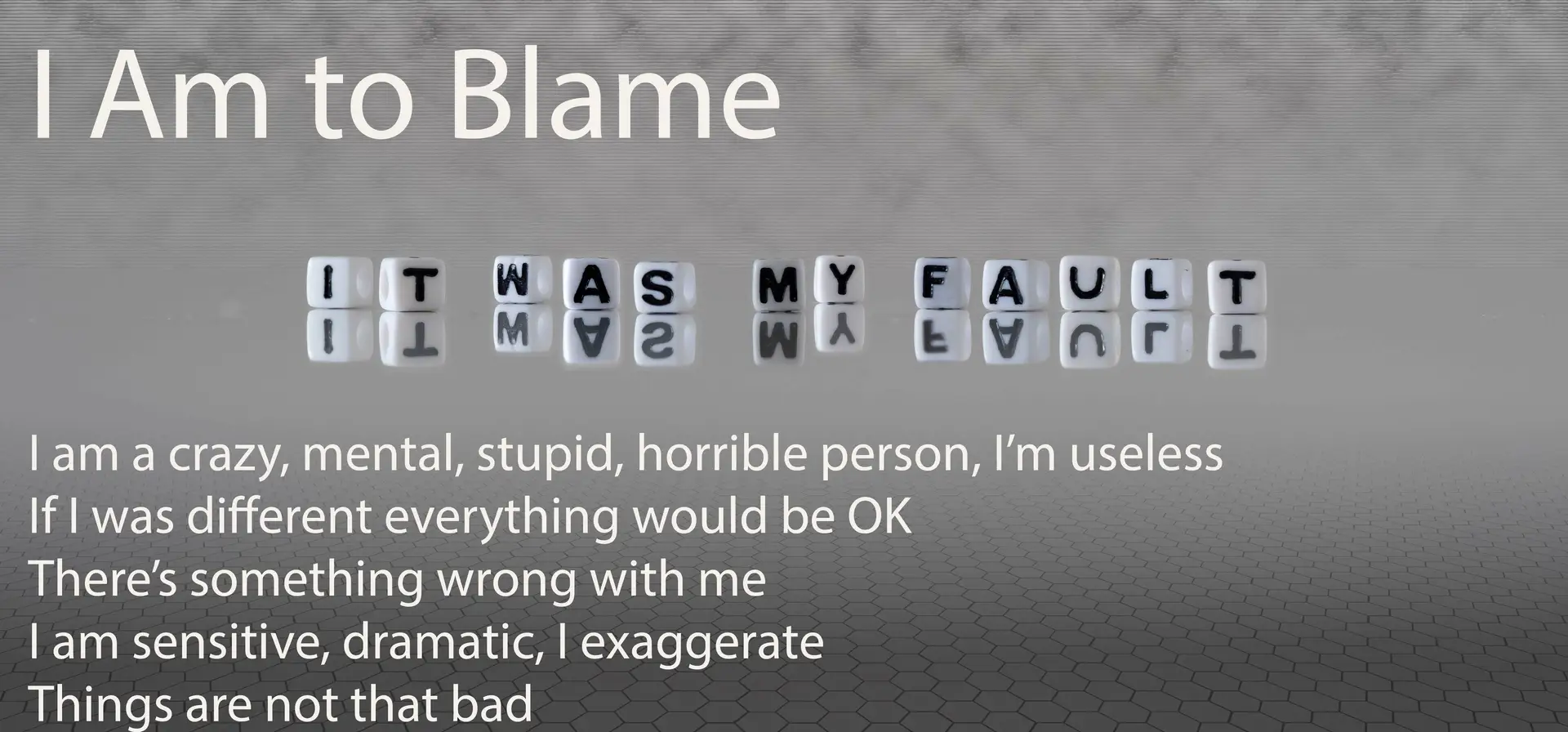
Each ‘part’ of a person possesses a survival strategy, an agenda and one or more core beliefs within which its reality is based. Let’s take ‘I am to Blame’ as an example:
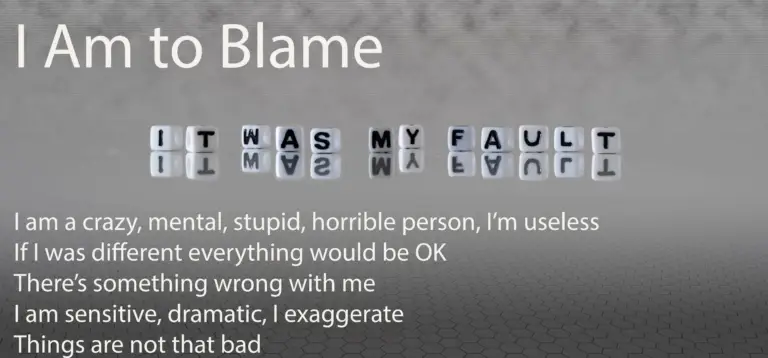
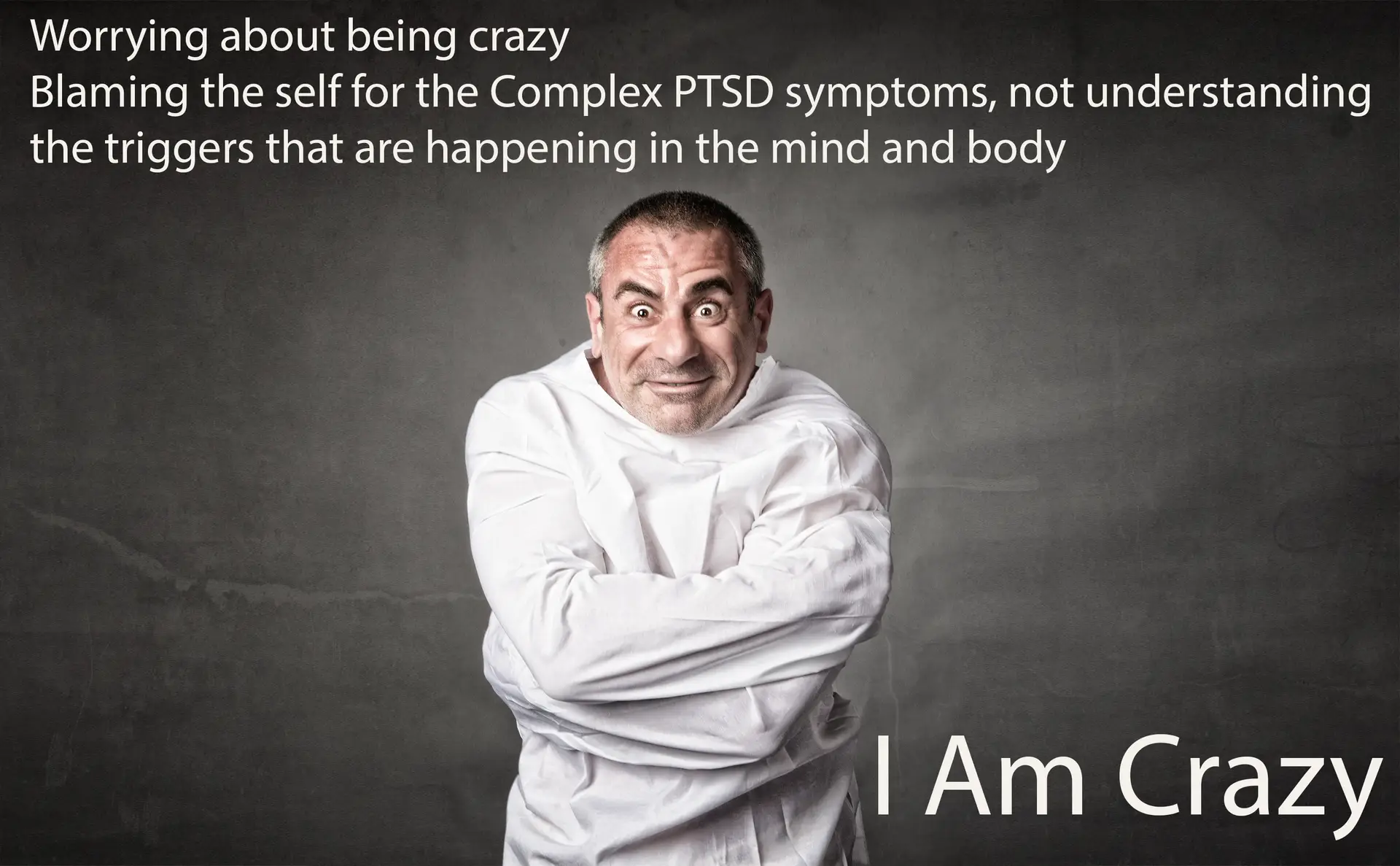
A person may find that whenever anything happens they often end up automatically blaming themselves for it. This is not statistically going to be true.
Survival Strategy:
Submit – other people are more important/powerful/dangerous
Agenda:
- Keep your head down
- Learn what you need to do to not upset others
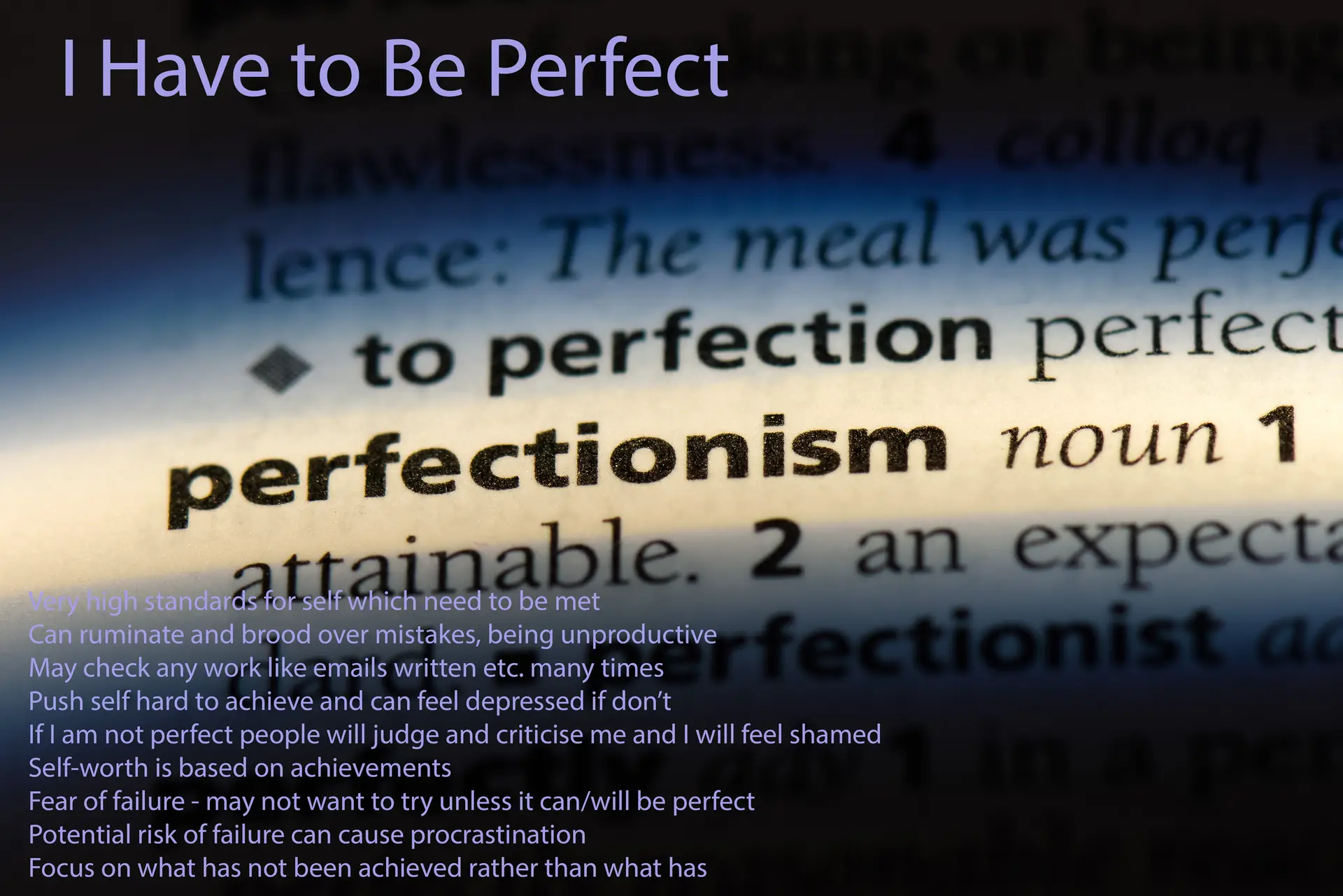
- Be perfect
Possible Core Beliefs:
- I am a bad person
- I can’t afford to be angry. It’s better to blame myself
- If I am to blame I can control my behaviours and change my situation
- Don’t have needs or they will be angry
- It’s my fault and I deserved it
Learn to Regulate The Nervous System
Learning Healthy Ways to Calm Down
Beatrice Beebe's infant research (2009) has demonstrated that, as early as 3 to 6 months, babies develop what she calls patterns of behaviour "expectancies," that anticipate interactions with their caregivers. In her observations of infants with disorganized attachment, these expectancies range from shutting down and going limp to matching the mother's dysregulated states (e.g., imitating maternal laughter in response to their distress).
Janina Fisher PhD - Healing the Fragmented Selves of Trauma Survivors, p. 105
Children from narcissistic families are often unable to regulate themselves without the use of an external resource such as food, alcohol, drugs, painkillers or being codependent with another person. The nervous system of a traumatised person is generally hyper or hypo aroused which means that they are in fight or flight or freeze or submit and skills need to be learned to, first of all, be able to recognise triggered or dysregulated parts and then to be able to use healthy techniques to calm down the body. These are known as grounding techniques. There are physical, mental and self-soothing techniques that need to be used. Different techniques work for different people.
The Real Self
What Authenticity Feels Like
To learn what the real self feels like we can turn to James F. Masterson. In his book, The Search for the Real Self, he addresses how the real self would feel and function in the world if it were ‘in charge.’ This is the ideal that we can aim towards.
Ten Key Capacities of the Real Self
James F. Masterson, MD
1. Capacity to experience a wide range of feelings deeply with liveliness, joy, vigour, excitement and spontaneity.
2. Capacity to expect appropriate entitlements. From early experiences of mastery, coupled with parental acknowledgment and support of the real self, healthy individuals build a sense of entitlement to appropriate experiences of mastery and pleasure, as well as the environmental input needed to achieve these objectives.
3. Capacity for self-activation and assertion. This capacity includes the ability to identify one’s own unique individuality, wishes, dreams, and goals and to be assertive in expressing them autonomously.
4. Acknowledgment of self-esteem. This capacity allows a person to identify and acknowledge that he has effectively coped with a problem or crisis in a positive and creative way.
5. The ability to soothe painful feelings. The real self will not allow us to wallow in misery. When things go wrong and we are hurt, the real self devises ways to minimize and soothe painful feelings.
6. The ability to make and stick to commitments. The real self allows us to make commitments to relationships and career goals. Despite obstacles and setbacks, a person with a strong sense of real self will not abandon her goal or decision when it is clear that it is a good one and in her best interest.
7. Creativity. Based on helping people allow their real selves to emerge, is the ability to replace old familiar patterns of living and problem-solving with new and equally or more successful ones.
8. Intimacy. The capacity to express the real self fully in a close relationship with another person with minimal anxiety about abandonment or engulfment [ability to self-soothe this anxiety].
9. The ability to be alone. The real self allows us to be alone without feeling abandoned. It enables us to manage ourselves and our feelings on our own through periods when there is no special person in our lives and not confuse this type of aloneness with the psychic aloneness, springing from an impaired real self, that drives us to despair or the pathological need to fill up our lives with meaningless sexual activity or dead-end relationships just to avoid coming face to face with the impaired real self.
10. Continuity of self. This is the capacity to recognize and acknowledge that we each have a core that persists through space and time.
Other Things to Work on
There are many areas which need to be worked on and this needs to be ongoing. There is always more to learn about ourselves and others and life in general. Journalling once a week and exploring that week’s issues, using grounding techniques, working with inner conflict management and self-reflection are vital to do regularly. People often feel better and so start to ignore themselves again and this can lead them to fall back into old coping mechanisms. It is important to keep an eye on noticing if you are avoiding your feelings, avoiding yourself, working too much, putting others first to your own detriment, self-sabotaging or looking for external approval and validation more than is healthy etc. If this is happening, it is not a significant problem as the new healthier habits are being/have been built and it is easier to get back into those after ‘falling off the wagon,’ so to speak. Following that, the reasons why that situation has happened can be explored.
Suggestions
Self-esteem
Self-compassion
Assertiveness
Learning to set boundaries and learning to say no
Learning to be able to accept love. For example, a person with trauma can be loved unconditionally by their children but struggle to believe it is true, although they may know it intellectually. Niceness can feel alien and really uncomfortable. It can triggers suspicion and thoughts such as ‘What do they really want?’ There can be a fear of being duped, tricked and humiliated
Learning self-care – to eat well, get medical care when needed, take days off sick when needed, exercise, going to bed early, drinking in moderation, restricting doom scrolling
Uncovering, challenging and updating core beliefs
Finding your values, ethics and morals
Looking for and signing up to training courses, continuing with education and/or studying subjects which can further career or personal interests
Self-development, journalling, therapy, self-reflection – especially around ‘parts’ so that all the aspects of the self can be integrated
Doing for others – volunteering for or donating to charity or other acts of selflessness
Paying attention to areas you tend to ignore rather than face – such as finances
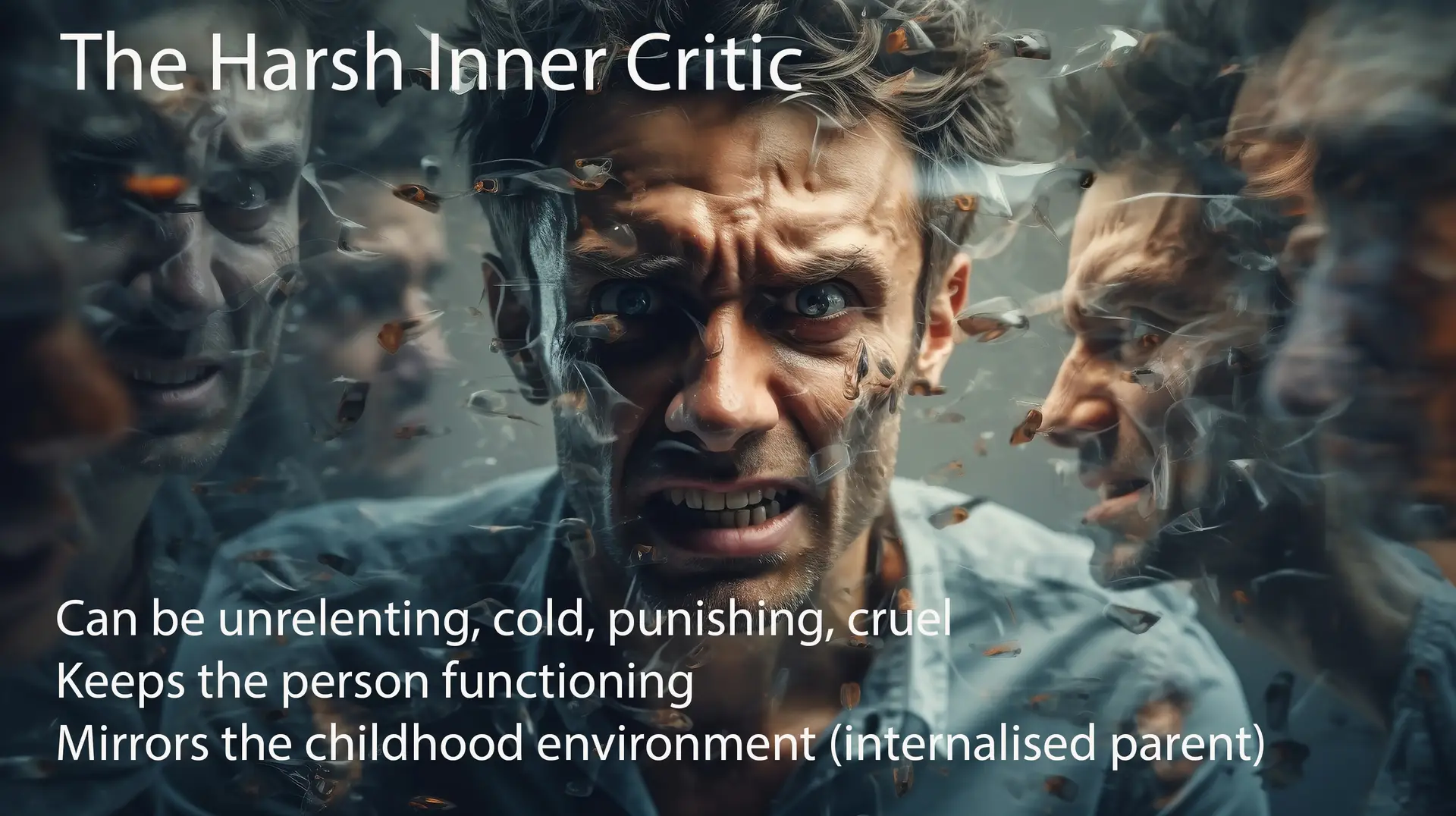
Look for the positive role of each part – for example the inner critic becomes an encouraging coach, ruminating becomes problem solving, obsessive thinking can be channelled into something productive such as education and learning
Working on dealing with relationships – whether romantic, friendships or work relationships. It is likely that most, if not all, relationships will be difficult. This is due to mistrust of others, black and white ways of thinking and an expectation of being rejected.
Some relationships may also involve other dysfunctional people who may idealise and then devalue others and therefore, those relationships can feel quite precarious and you may be cut off because they feel slighted or they perceive a slight. You may also find yourself pushing others away either consciously or subconsciously. It can be a case of reject the other before they can reject you or the relationship can feel too intense for the other person as you may be trying to get the need for unconditional love and acceptance met within relationships where that is not appropriate.
The healthier a person is emotionally, the healthier the relationships they will attract as they will have higher expectations of how they want and expect to be treated. They are also able to tolerate closeness to others without being triggered into needing to distance themselves and run.
Sources and Resources:
Centre for Clinical Interventions
https://www.cci.health.wa.gov.au/Resources/Looking-After-Yourself
Grounding Techniques
https://www.therapistaid.com/worksheets/grounding-techniques
https://www.getselfhelp.co.uk/flashbacks-grounding-techniques/
Core Beliefs
https://www.therapistaid.com/worksheets/core-beliefs-info-sheet
https://www.therapistaid.com/therapy-worksheet/putting-thoughts-on-trial
Abuse Amnesia
https://www.goodtherapy.org/blog/abuse-amnesia-why-we-stay-with-our-abusive-partners-1003175
Conflict Management
10 Proven Conflict Resolution Strategies Workplace Leaders Need in 2026 – Shiny