
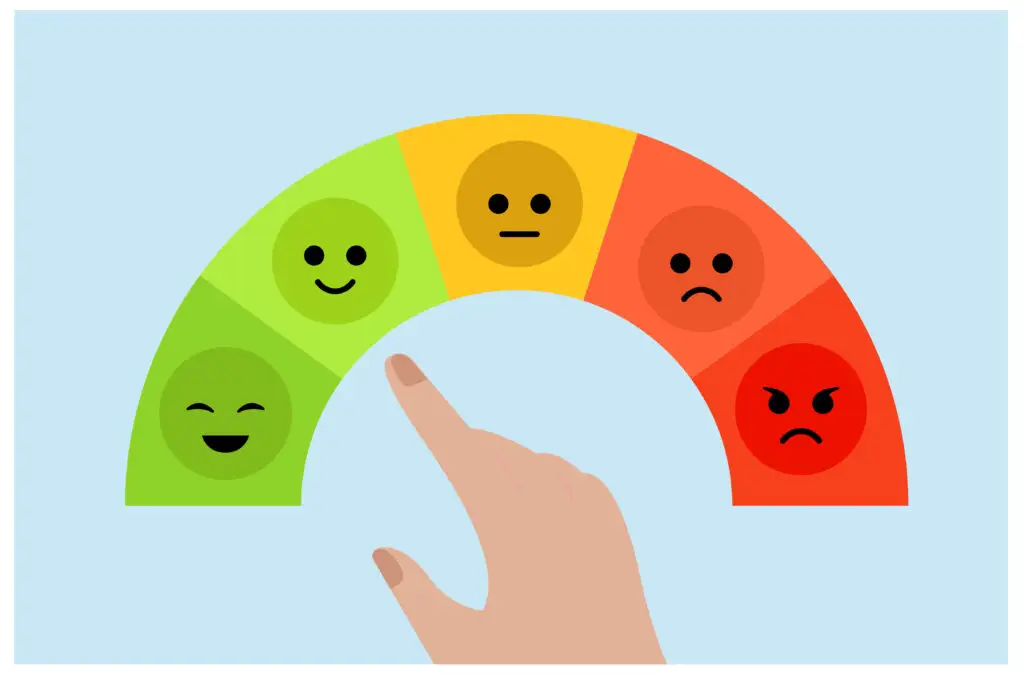
This article is made up of two lists, one has the characteristics of the healthiest version of ourselves and the other describes how that characteristic can be corrupted, by adversity, into an opposite. Adversity in childhood has profound outcomes in many ways which last into adulthood. Happily, adverse affects are not static and if you have some or many of the characteristics from the adversely affected column here, do not worry, as they can be changed.
It is likely that people with narcissistic parents will have many of the characteristics from the adversely affected list but this does not mean that most other people are their healthy selves. There may be a lucky few who are their Healthy Self for all of their lives but as most people have at least some difficulties in life and they have their flaws, insecurities, foibles, anxieties and self-doubt, the majority of people do need to work on themselves to some degree.
To become their Healthy Self people need to:
- be self-reflective – to become aware of their reactions and the motivations behind those – in an empathic way
- learn to tolerate and regulate their own emotions and other people’s
- work on facing themselves and what is inside of them
- become aware of their automatic reactions – this enables people to work on changing the ones they want to
- become aware of any unhelpful biases they may have in their thinking, as these are limiting core beliefs, i.e., “People will always reject me,” and work to change them if they are unrealistic
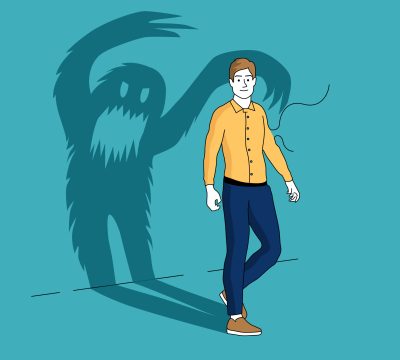
- become aware of the facets of their character of which they are unconscious (described as the shadow self by Carl Jung)
- be curious and very driven – as it is a painful process
The change from adversely affected to healthy is hard work but it is liberating.
The Healthy Self
The Adversely Affected Self
Able to communicate ideas, needs and wants assertively
Communication is aggressive, passive or passive-aggressive. Assertive communication may feel too alien, aggressive and uncomfortable
Knows self reasonably well
Unsure of who they are or what they want from life. May feel they don’t know themselves at all
Ability to face emotional pain
Avoidant of emotional pain
Ability to set boundaries and say no
May not know what boundaries are. May find it hard to set boundaries. May struggle to say no
Feel safe in the world. Acknowledge there are many people who are trustworthy and decent but there are some who are not.
Cannot feel safe in the world. Do not trust anyone
Good confident posture
Posture usually hunched, slumped, appeasing and unthreatening to others. Not confident
Be present in the now
Struggle to be in the now
Ability to regulate emotions, soothe self, calm self
Often dysregulated, up and down, hard to soothe self without outside help (a person, a substance etc.)
Compassion for self and others
Compassion for others, very lacking in self-compassion and sometimes no compassion for others
Open and honest in an appropriate way
Sometimes guarded and secretive and can hide aspects of self out of shame. At other times oversharing
Aware of own needs and wants and is able to meet them
Struggle to meet own needs and wants. May not know what they are
Integrated defences, working togther
Defences working ‘separately,’ often in conflict with each other
Realistic core beliefs. Balanced. Based in reality on the positives and negatives that exist in the world
Unrealistic core beliefs, unbalanced and largely biased towards the negative and worst case scenario
Healthy self-esteem
Low self-esteem
Ability to recognise strengths, talents and competencies and flaws
Focus on flaws, struggle to see strengths or see self in a positive way
Able to process unpleasant and traumatic events
Abuse amnesia
Ability to bond and attach to others in a healthy way, sharing life and not dependent or controlling
Tendency to form unhealthy dependent and/or distant attachments. Can form trauma bonds
Able to face feelings
Avoidant of feelings to a large extent
Ability to face fears and conquer and deal with them
Avoidant of fears
Ability to still like a person when angry with them
Find it hard to continue to like someone when angry with them. May genuinely believe it means the relationship, whoever it is with, is over in those moments
Can accept physical flaws, affection for body. Healthy physical self-image
Unhealthy physical self-image. Often on the Body Dysmorphic Disorder Spectrum
Use healthy resources to look after self
Use unhealthy resources to look after self (i.e., alcohol, shopping, hours of doom scrolling etc.)
Integrated nuanced thinking
Black and white extremes of thinking
Aware of triggers
Not aware of triggers
Respect the self
Little or no respect for the self
Healthy levels of narcissism
Too high or too low levels of narcissism
Well-rounded character and meet needs of different aspects of the self such as work, play, rest, do for self and others
Narrow version of the self. Attention paid to surviving and limited aspects of the self, i.e., work all the time, drink and sleep. Repeat
Some hobbies and interests, aware of their interests and what they like to do
Often lack having hobbies and interest. May adopt the hobbies and interests of others.
Able to process change, loss and grief
Tend to bury grief. Can struggle to mourn
Self-aware
Avoidant of self-awareness
If ill, will get help when needed. Take it in stride
Healthy anxiety, aches and pains are life threatening illnesses
Take time off when ill
Push through when ill. Feel guilty if take any time off
Can trust self
Self-doubt and hard to trust self