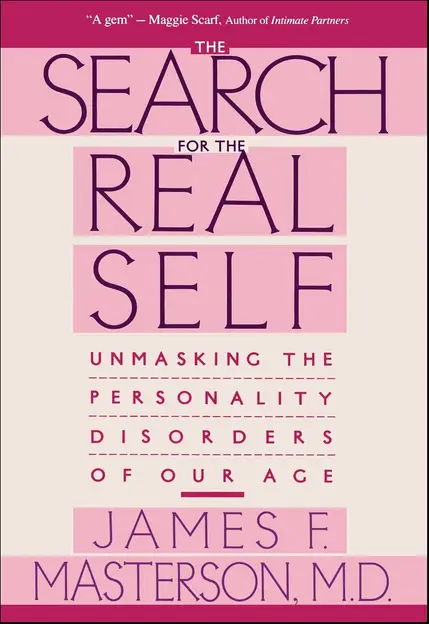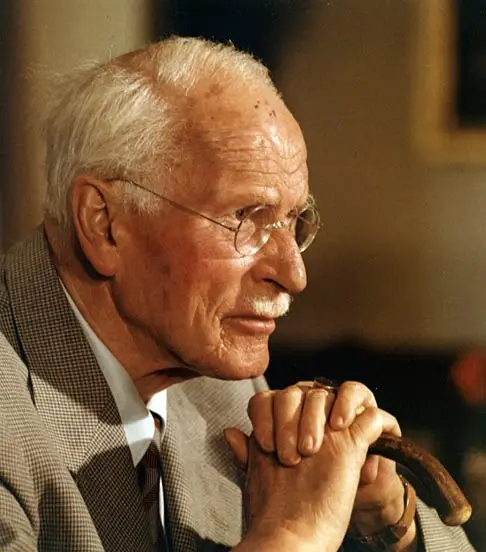


James F. Masterson, M.D., was a prominent American psychiatrist who helped to bring the study, understanding and treatment of personality disorders, especially narcissistic and borderline, into the mainstream. He wrote a number of books on the subject and one of these was ‘The Search for the Real Self,’ which was written for the layman.
The 10 capacities of the real self below are taken from that book and they show the ways we will feel and be when we operate from our authentic self and not from our defences. It is a guide to what we can aim for and what is possible.
The Ten Key Capacities of the Real Self
by James F. Masterson, MD
- Capacity to experience a wide range of feelings deeply with liveliness, joy, vigour, excitement and spontaneity.
- Capacity to expect appropriate entitlements. From early experiences of mastery, coupled with parental acknowledgment and support of the real self, healthy individuals build a sense of entitlement to appropriate experiences of mastery and pleasure, as well as the environmental input needed to achieve these objectives.
- Capacity for self-activation and assertion. This capacity includes the ability to identify one’s own unique individuality, wishes, dreams, and goals and to be assertive in expressing them autonomously.
- Acknowledgment of self-esteem. This capacity allows a person to identify and acknowledge that he has effectively coped with a problem or crisis in a positive and creative way.
- The ability to soothe painful feelings. The real self will not allow us to wallow in misery. When things go wrong and we are hurt, the real self devises ways to minimize and soothe painful feelings.
- The ability to make and stick to commitments. The real self allows us to make commitments to relationships and career goals. Despite obstacles and setbacks, a person with a strong sense of real self will not abandon her goal or decision when it is clear that it is a good one and in her best interest.
- Based on helping people allow their real selves to emerge, is the ability to replace old familiar patterns of living and problem-solving with new and equally or more successful ones.
- The capacity to express the real self fully in a close relationship with another person with minimal anxiety about abandonment or engulfment [ability to self-soothe this anxiety].
- The ability to be alone. The real self allows us to be alone without feeling abandoned. It enables us to manage ourselves and our feelings on our own through periods when there is no special person in our lives and not confuse this type of aloneness with the psychic aloneness, springing from an impaired real self, that drives us to despair or the pathological need to fill up our lives with meaningless sexual activity or dead-end relationships just to avoid coming face to face with the impaired real self.
- Continuity of self. This is the capacity to recognize and acknowledge that we each have a core that persists through space and time.
Clicking on the book image below will take you to Amazon UK where you can purchase the book if you would like to (I do not receive any payment).